Two voices, one story – This is how “The Earth is Toxic” hits right in the heart
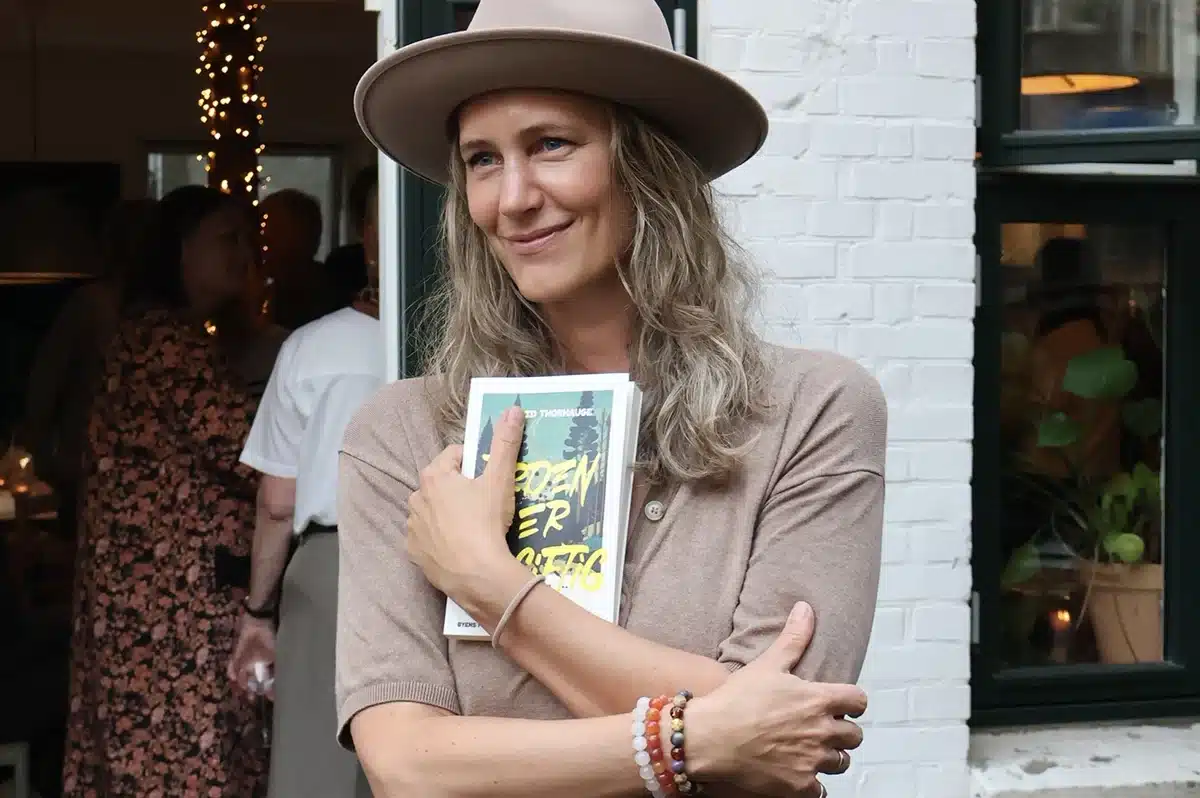
Astrid Thorhauge debuts with a raw story about young people, climate fear and community
An afternoon at Løves
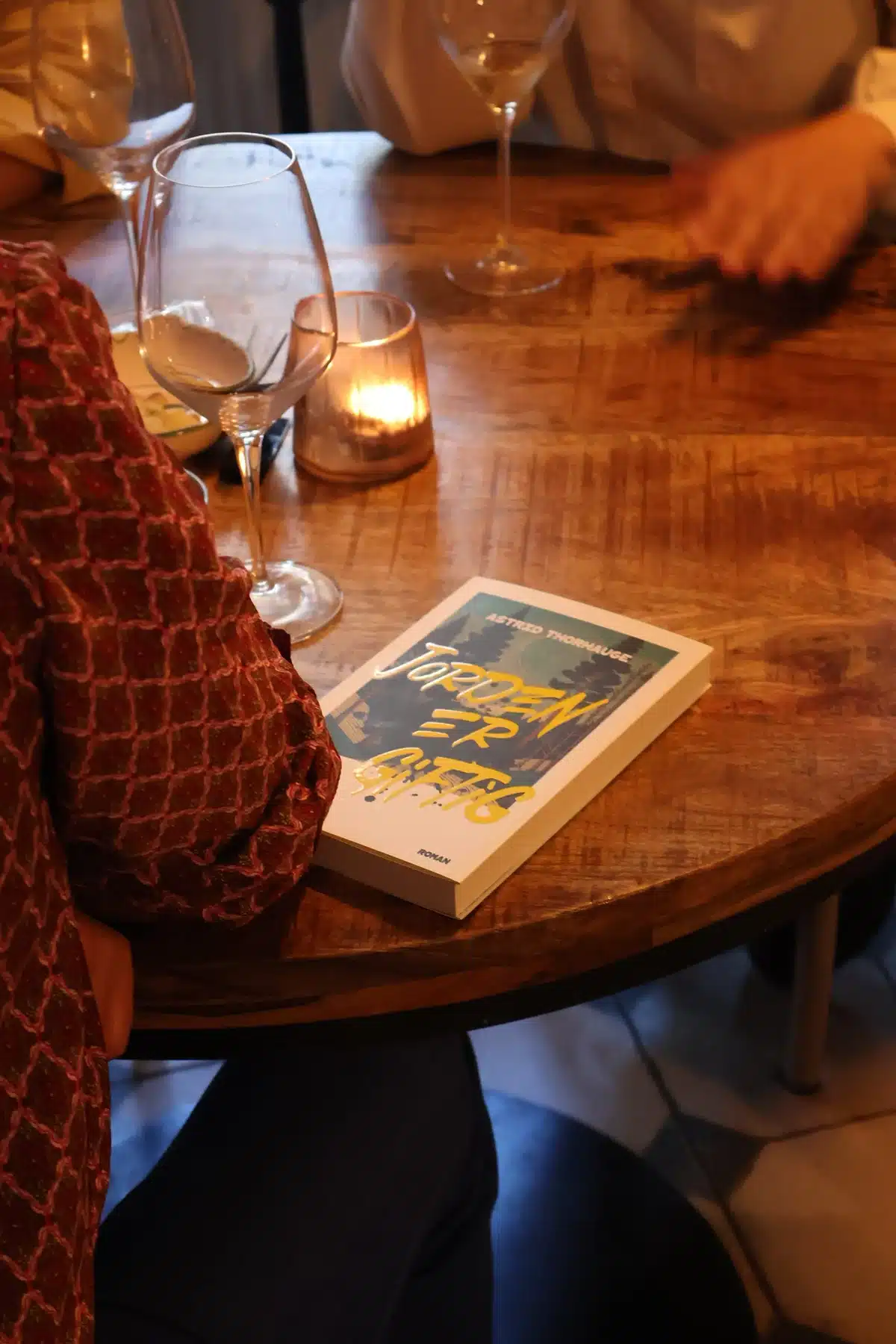
We meet one afternoon at Løves book and wine café in Aarhus. A cappuccino and a chai latte steam in front of us, while the wind gently shakes outside. The music mixes with the low-pitched chatter from the other tables. Here, among bookshelves and the café atmosphere, Astrid Thorhauge has also sat and written her debut novel “Jorden er giftig”.
As soon as we greet each other, I can tell that Astrid is something special. She doesn't extend her hand, but opens her arms for a hug. She is warm, smiling and present, and the same is characteristic of her way of telling stories. She listens, she reflects, and she invites you very close.
A book I read in one day
It's been many years since I read a book in one day. But "The Earth is Toxic" captivated me from the first page, and I simply couldn't put it down. It's written in a light and flowing language that makes you disappear completely into the universe.
Even though it is a young adult novel, adults can easily read the book. In fact, I think every reader will find something to reflect on. Young people can follow Gustav or Anna, while parents will recognize the mother's concern or the father's more distant gaze.
Gustav and Anna
The novel follows 17-year-old Gustav, who flees from Risskov and enters an eco-village deep in the Swedish forests. Here, a group of people live in primitive huts, driven by idealism, but also by a strong inner turmoil.
At home, his sister Anna begins to look for him. She is helped by Loui, a character who remains a bit mysterious throughout. It is only towards the end that we understand his role, and it is precisely this slow revelation that helps to give the story extra depth.
Two voices, but with the same story
One of the things that makes the book special is that both Gustav and Anna are told in the first person.
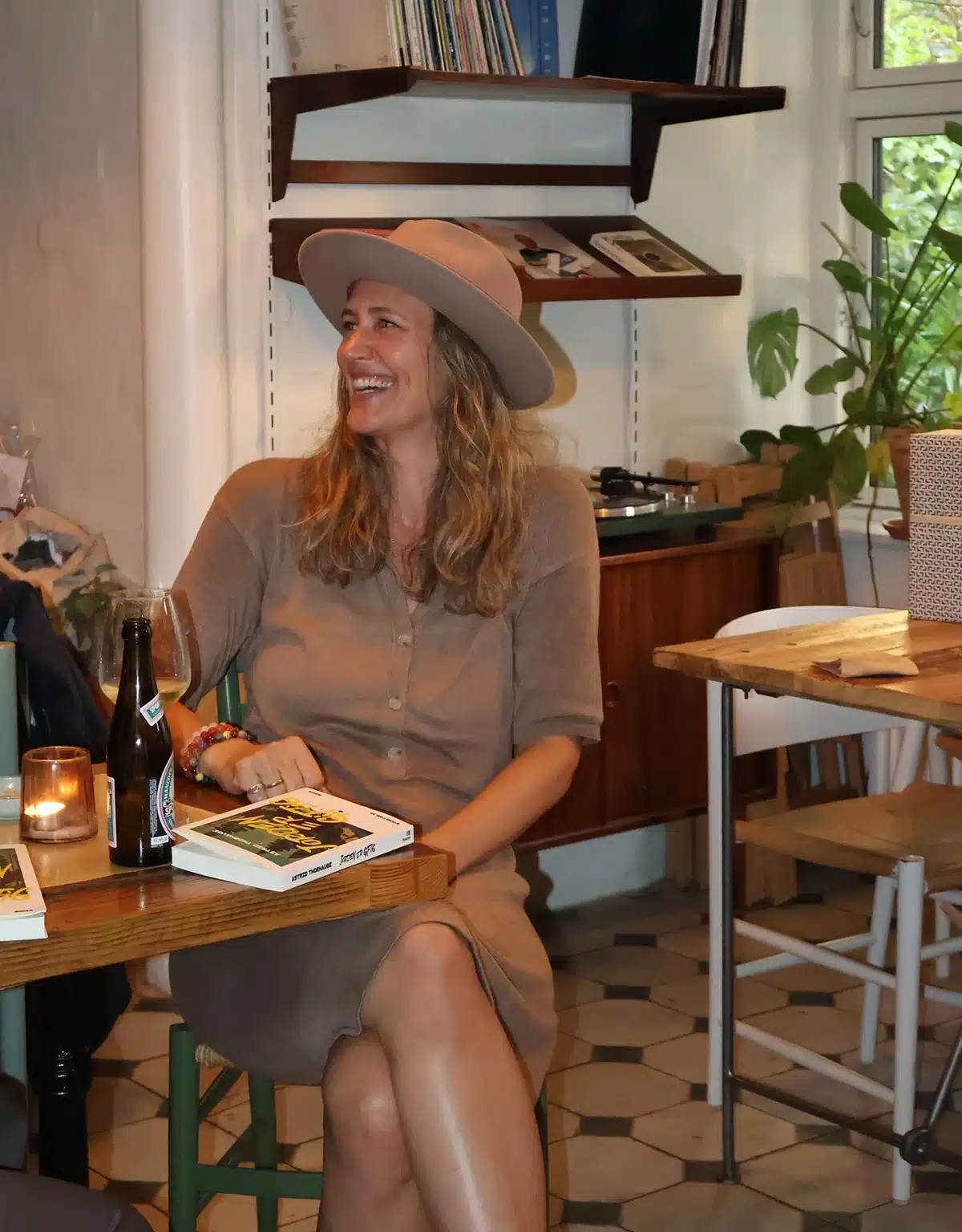
“I actually just started with Gustav,” Astrid says. “But then I became curious about Anna and wrote her in the first person as well. It gave a natural rhythm, like a cross-cut between their worlds.”
Astrid leans forward a little as she talks. Her hands follow the words, as if she's almost acting out the scenes for me. Behind us, coffee cups clink, but I'm captivated by her presence.
A real starting point
But where did the story come from?
“I teach young people with mental health issues,” says Astrid. “Many years ago I had a student who was incredibly intelligent, but also very challenged. He talked about needing to get away from civilization, it all felt too toxic. Later he disappeared, and this time he didn’t come home. It hit me, and I needed to write from that experience. Not about him, but from that feeling.”
Astrid tells it without drama, but with a quiet seriousness that makes you feel the echo of the story she still carries with her.
Writing without a plan
Astrid describes herself as an intuitive writer. She had no detailed plan, but let the story take shape along the way.
"For me, it's a journey of discovery. I didn't know what was going to happen when I started, and it was really the same experience you had when you read. You find yourself curious about what happens on the next page."
Later came the more manual work of editing, dramaturgy and turning points. “It’s a mix of intuition and technique. I write my way forward, and afterwards I look at how it can be tightened up.”
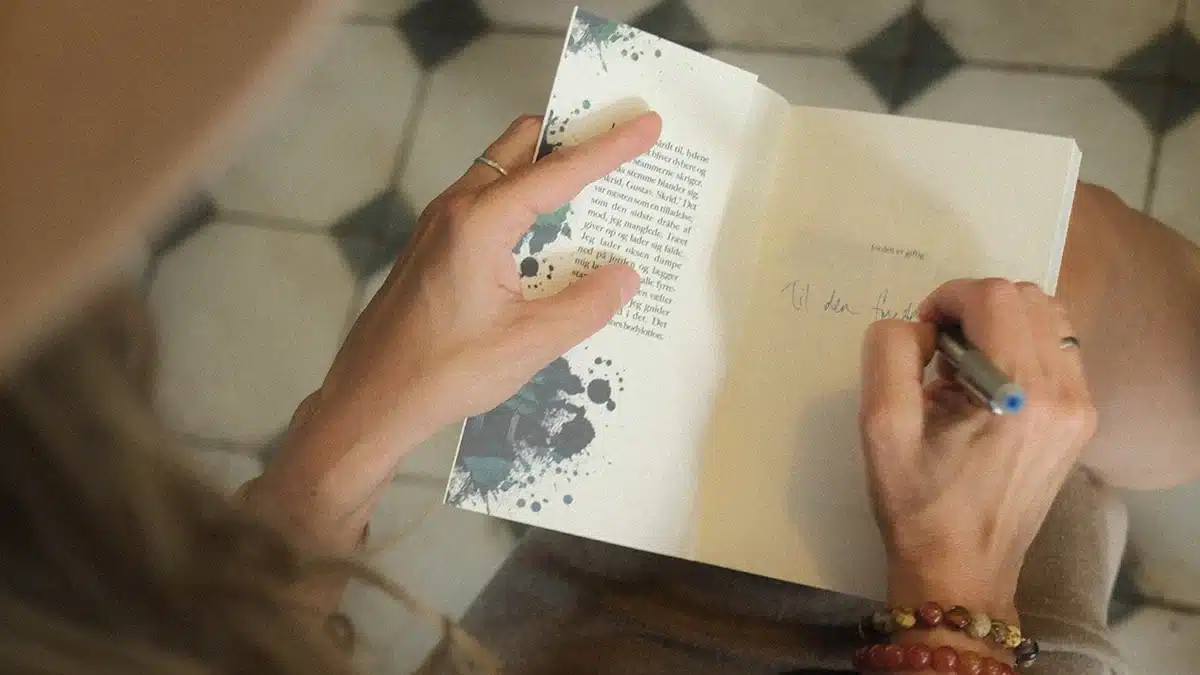
The parents' dilemma
The book is not just about the two young siblings. The parents also stand out clearly, with the mother being very worried and clingy, while the father takes a step back, but constantly reacting to her unrest.
“I know that paradox myself,” says Astrid, who is herself a mother of teenagers. “You want to take care of your children for the world, but at the same time you have to let go. That’s the duality I’ve written into parents.”
Why Sweden?
Gustav doesn't just escape into a Danish forest, he ends up in Sweden. Why there?
“In Denmark you are never really far from civilization. You can always hear a road in the background. In Sweden you can disappear deep into the forest. I read about a family that went off-grid there, and that set the images in motion.
In the forest environment, Gustav meets people who want to live differently and closer to nature. But communities can also turn into something that feels sectarian.
“I think it’s an exciting field,” says Astrid. “How good ideas can turn into extremism. And how you can feel trapped in a community because you’ve finally found a place where you belong, even though you can see that something is wrong.”
The ending of “The Earth is Toxic” is not clear-cut.
“I wrote several versions, but ended up leaving something open,” says Astrid. “Maybe because I never got an ending to the real story myself. I also think it’s exciting that you, as a reader, are allowed to think further for yourself.”
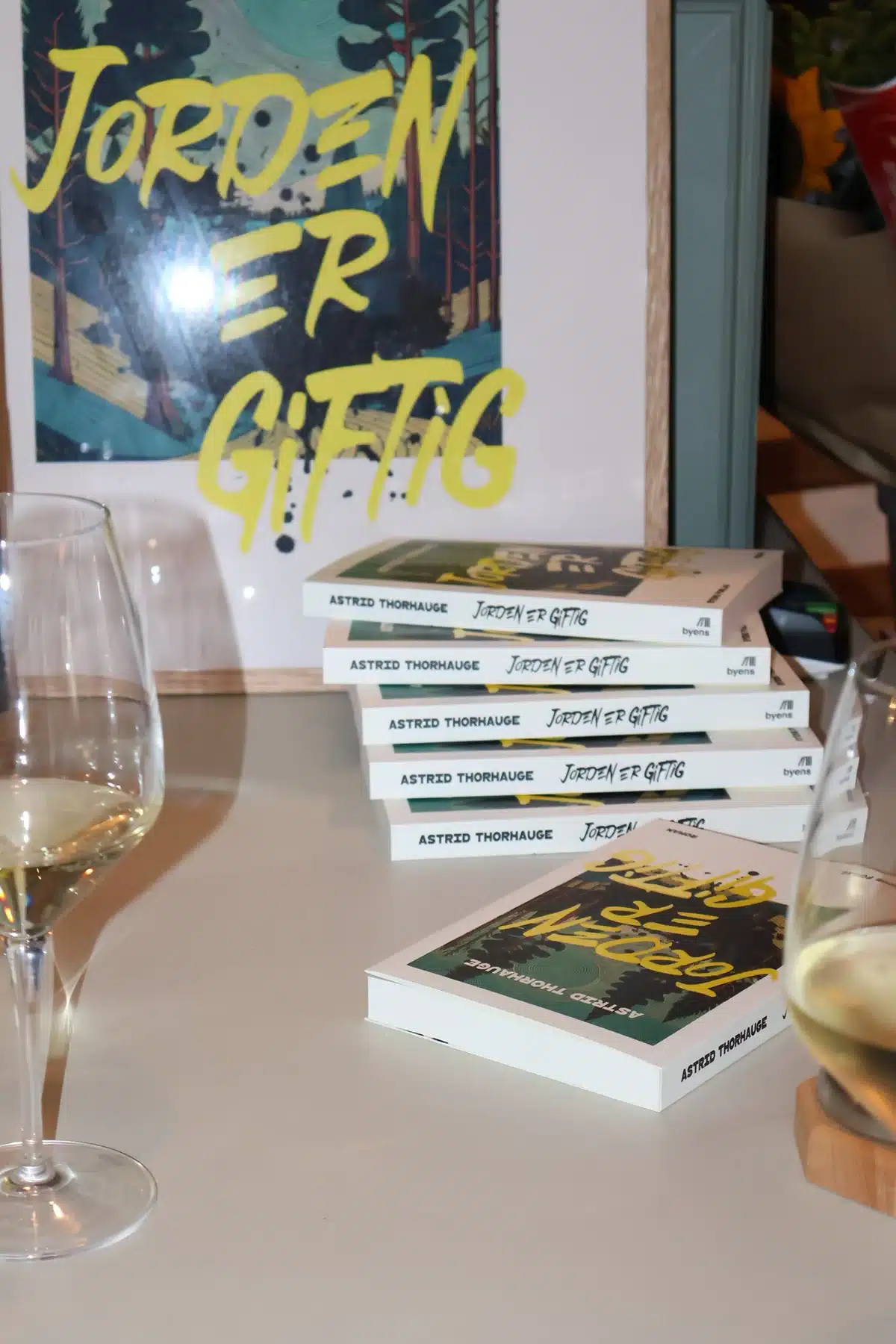
The importance of reading
In the midst of a digital age with iPads and Chromebooks, Astrid clings to the physical book.
"You disappear into a universe in a different way when you can turn the pages and feel how far you are in the book. And in teaching, I think that fiction can make difficult themes like climate or performance anxiety easier to talk about. You can take the characters and their choices as a starting point instead of just speaking from yourself."
Astrid takes a sip of her cappuccino, glances around the room briefly, and then returns to the conversation with a new light in her eyes. It's clear that she's passionate about the book not just being read, but also being used.
Astrid hopes that the novel can find its way into teaching in schools and youth education. “I would like to go out and meet young people with the book and hear how they experience it themselves. That is where I think it can find its real life.”
My own impression
For me, “The Earth is Toxic” stands as a story that is both moving and recognizable. It shows how climate anxiety can be felt deep within the body, but also how family, sibling love and communities play a role.
And it's hard not to be infected by Astrid's own warmth and openness. She speaks as she writes, empathetically, honestly and with a closeness. Perhaps that's precisely why the book feels so alive.
It's a book I would definitely recommend to both young and old. And perhaps it's precisely because the story is told through two voices, Gustav and Anna, that it feels so alive. You experience it all from the inside.
Facts about the Earth being toxic:
Author: Astrid Thorhauge (b. 1982), MA in Dramaturgy & Cultural Communication, lives in Aarhus, works with vulnerable young people
Publisher: The City's Publishing House
Publication: 1st edition, 2025
ISBN: 9788776162399
Extent: 244 pages
Price: DKK 229
Cover: Morten Thorhauge
Culture
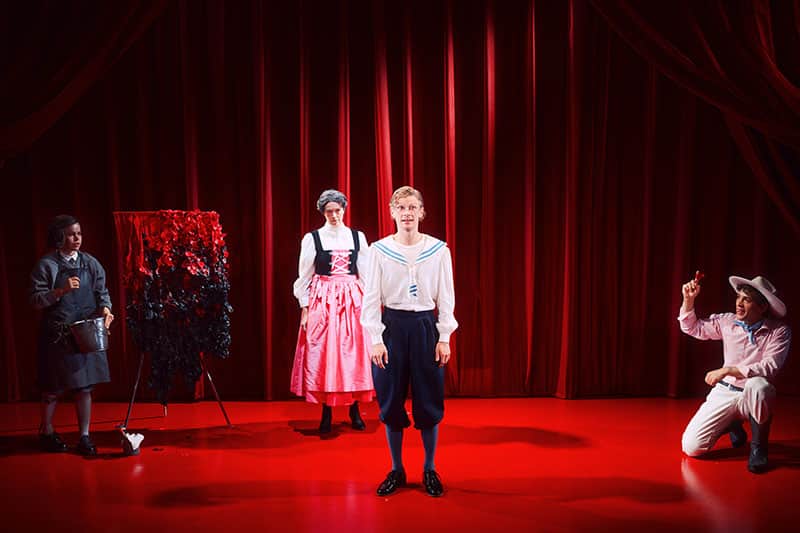
MANN at Aarhus Theatre surprises with humor and grotesque characters

Inside Aarhus' new stadium: Much more than football awaits here
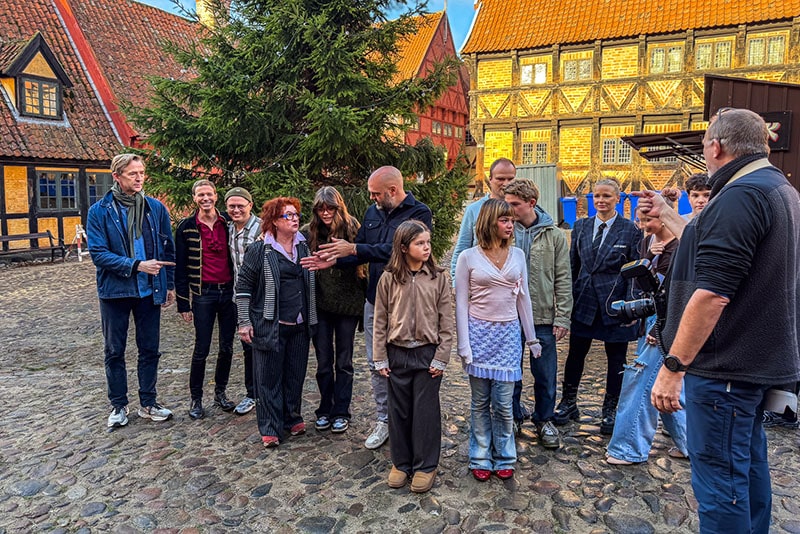
The Great Christmas Story brings the magic of Christmas to the Old Town
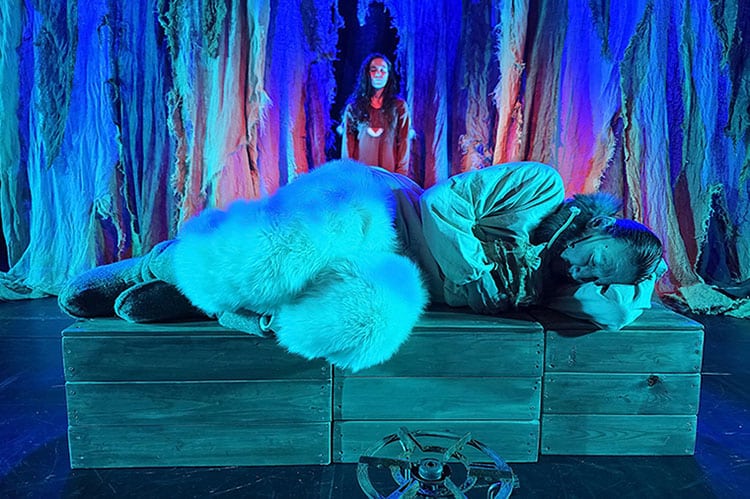
The Greenlandic polar explorer at Teater Svalegangen
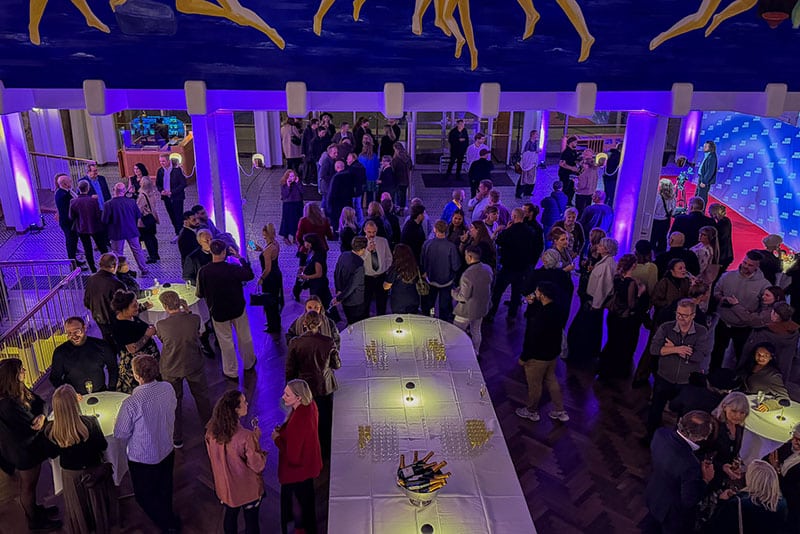
SERIES AWARDS 2026 brought together the series industry at Aarhus City Hall
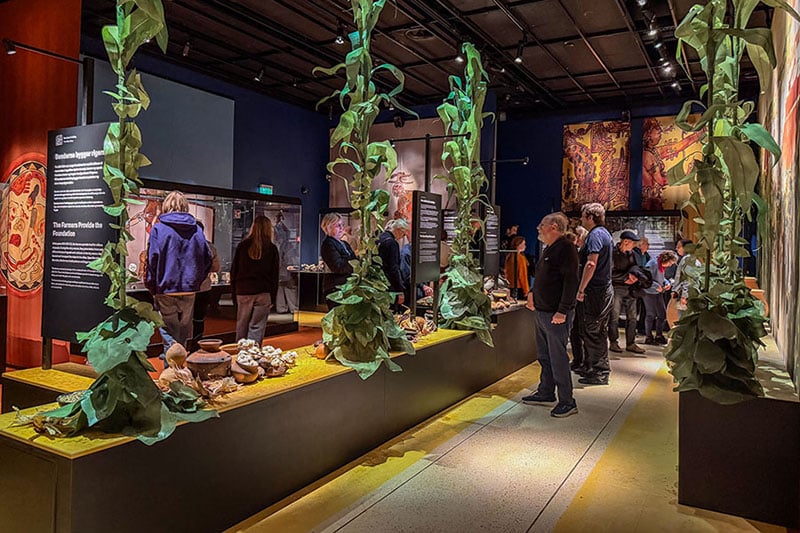
Maya – The Kingdom Under the Jungle at Moesgaard Museum

An Angry Woman at the Swallow's Nest Theatre

Iris Gold on stepping into the role of Tina Turner

TINA – The Tina Turner Musical in Musikhuset Aarhus: Simply the Best
Series Awards 2026: Here are this year's nominees
Move Your Mind Festival 2026 on Bora Bora
All The Feels on Bora Bora lets the emotions run wild
Afterglow at the Natural History Museum leaves its mark

Jane Austen's spirit lives on on Aarhus Theatre's stage
It happens in Aarhus
Articles
MANN at Aarhus Theatre surprises with humor and grotesque characters
Inside Aarhus' new stadium: Much more than football awaits here
Freedom’s Fall and the Power of Defiance at ARoS
The Great Christmas Story brings the magic of Christmas to the Old Town
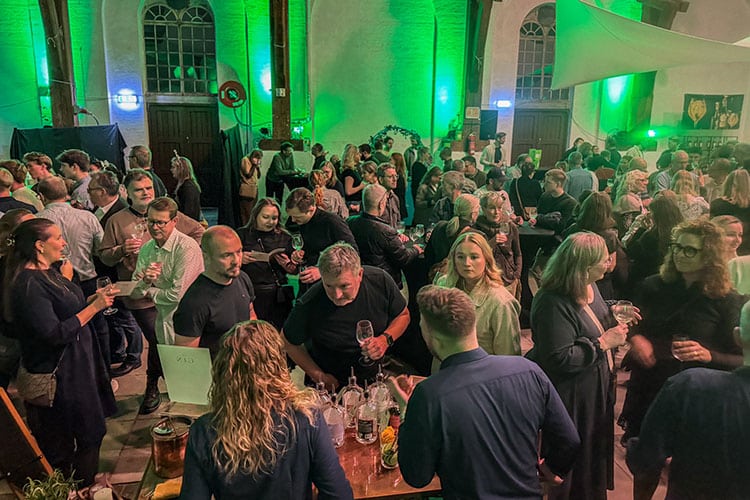
Gin & Tonic Festival in Ridehuset: Much more than gin in the glasses
The Greenlandic polar explorer at Teater Svalegangen
SERIES AWARDS 2026 brought together the series industry at Aarhus City Hall
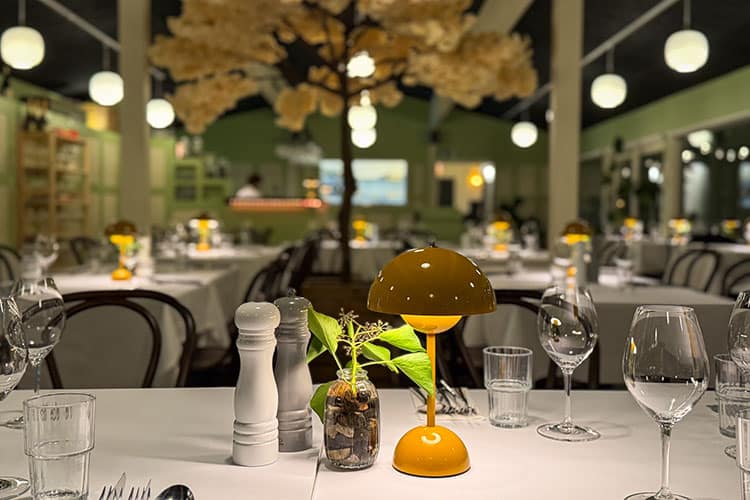
Bistro Solera on Aarhus Ø: French classics with a unique sea view

Barselona on Train: Melancholy that made the audience dance
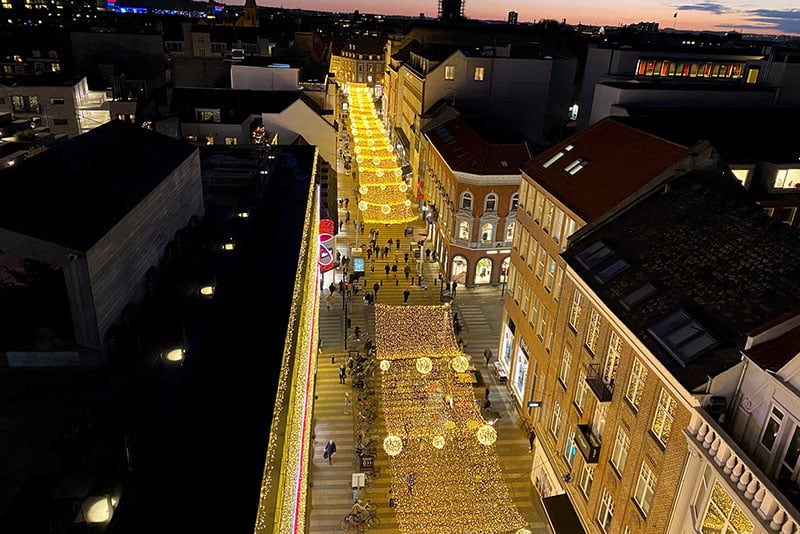
When all of Aarhus lights up for Christmas

Authentic Japanese universe at Ramen Takumi in Aarhus

PHIL – Phil Collins tribute at Hotel Fuglsøcentret
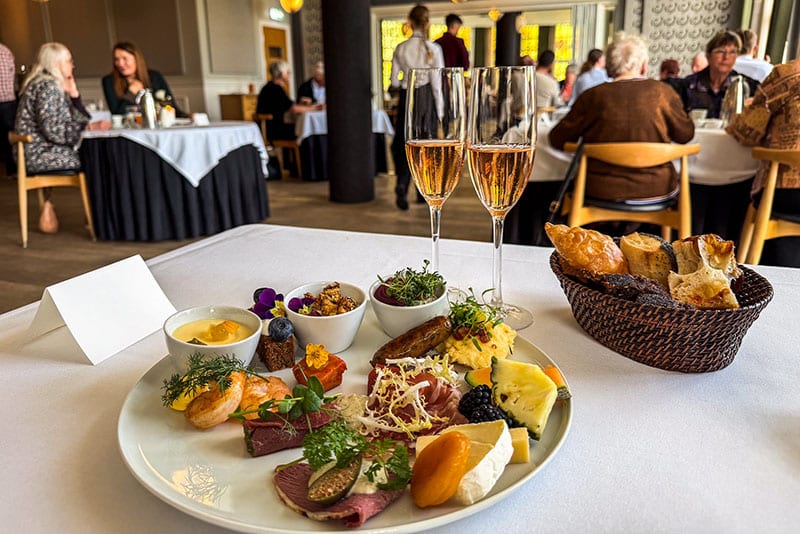
Luxury brunch in Varna – a Sunday with a little extra of everything