Isaac Julien at ARoS – Two screens, a thousand angles

Captured from the first second
I sat down on the bench in the middle of the hall. The film was already starting, but it didn't matter. Black and white images unfolded before me on two huge screens, and before long I was completely absorbed. You don't have to understand every single layer of the story to be affected, the work captures you anyway.
It's like being pulled into a visual echo. Sometimes the two screens show the same scene from different angles, other times the image is broken and you get two different sequences at once. The result is a doubling, a displacement and an almost bodily experience of being in the middle of the story.
Mirrors on the walls enhance the illusion. Suddenly it seems like there are even more canvases, and you are sitting in the middle of a universe where the images multiply.

A meeting between art and politics
The exhibition, titled Once Again… (Statues Never Die), is created by British artist and filmmaker Sir Isaac Julien. The work, which is being shown for the first time in Scandinavia, examines how African art has been historically exhibited, treated and understood in the West.
Central to the film is the dialogue between two historical figures: the philosopher and cultural critic Alain Locke, one of the most important voices of the Harlem Renaissance, and the art collector Albert C. Barnes. Their conversations delve into colonialism, the role of museums, and the question of who actually owns history.
Julien himself describes it this way:
“The film is essentially an examination of the contemporary debate about the restitution of African objects and materials. I have tried to go back to the beginning of that discussion and its relation to French contemporary art.”

The Harlem Renaissance and the overlooked voices
To understand the work, you also have to understand the Harlem Renaissance. It was the cultural movement in 1920s New York, where African-American artists, writers and thinkers flourished. Alain Locke was a central figure here. He fought for African-American culture and aesthetics to be recognized on a par with the European tradition.
Julien portrays Locke as both a philosopher and a poet. In the film, we gain insight into his thoughts on the role of art:
"Since African art has had such a vitalising influence in modern European painting, sculpture, poetry and music, it becomes vitally and naturally an important question as to what artistic and cultural effect it can or will have upon the life of the American Negro."

Beauty and pain side by side
The film is in English, but even if you don't understand every word, you'll be swept away. The poetic lyrics and the visual universe work together in a way that makes the allusions blazingly clear.
Some moments feel almost private, like in this intimate passage:
“Beauty's lips touched his, his temples throbbed, beauty's breath came short now, softly staccato… how much pressure does it take to awaken one?”
Other sequences hit hard and documentary, as when we are confronted with colonial history:
"Work to be done, Saturday 20th February. Cots and stretchers to be prepared for sick. Juju houses to be blown up. Walls and houses to be knocked down. Queen Mother's house to be burnt."
The interplay between aesthetics and the history of violence makes the work both beautiful and painful.

New connections, new stories
Julien also brings to the fore the sculptor Richmond Barthé. He was one of the first African-American artists to depict black bodies in motion, and his relationship with Alain Locke contains both artistic and personal layers.
“The work is a poetic meditation,” says Julien, “on the Harlem Renaissance, on the poetry of restitution, and on the search for modernism within a black queer artistic tradition.”
When museums become places of reflection
ARoS' director Rebecca Matthews highlights the work's ability to create critical conversations:
“Julien explores the relationship between African art, colonialism and museum institutions and activates museums as places of critical reflection.”
And you feel it when you sit on the bench in the dark. The museum is not just a building filled with art. It is a space for questions, unrest and reflection.
When the film ended, I stayed seated for a moment. The images linger: snow, sculptures and faces. But also the question of what we do with the cultural objects that have been taken, moved and exhibited far from their origins.
“Racism, no matter if it is declared or undeclared, drains all empathy away,” says one of the film’s voices. And it is precisely the empathy that the work awakens, in the middle of beauty and pain.
This special exhibition is just a small part of what the house has to offer. You can delve into the museum's history and the many other possibilities at ARoS in Aarhus here.
Translations of the English quotes
"Since African art has had such a vitalising influence in modern European painting, sculpture, poetry and music, it becomes vitally and naturally an important question as to what artistic and cultural effect it can or will have upon the life of the American Negro."
→ Since African art has had such a life-giving influence on modern European painting, sculpture, poetry, and music, it becomes an important question what artistic and cultural significance it can or will have for the lives of African Americans.
“Beauty's lips touched his, his temples throbbed, beauty's breath came short now, softly staccato… how much pressure does it take to awaken one?”
→ The beauty's lips touched his, his temples throbbed, the beauty's breath came short, soft and staccato... how much pressure does it take to wake someone up?
"Work to be done, Saturday 20th February. Cots and stretchers to be prepared for sick. Juju houses to be blown up. Walls and houses to be knocked down. Queen Mother's house to be burnt."
→ Work to be done, Saturday, February 20. Cots and stretchers to be prepared for the sick. Juju houses to be blown up. Walls and houses to be demolished. The Queen Mother's house to be burned.
"Racism, no matter if it is declared or undeclared, drains all empathy away."
→ Racism, whether overt or covert, drains away all empathy.
Culture
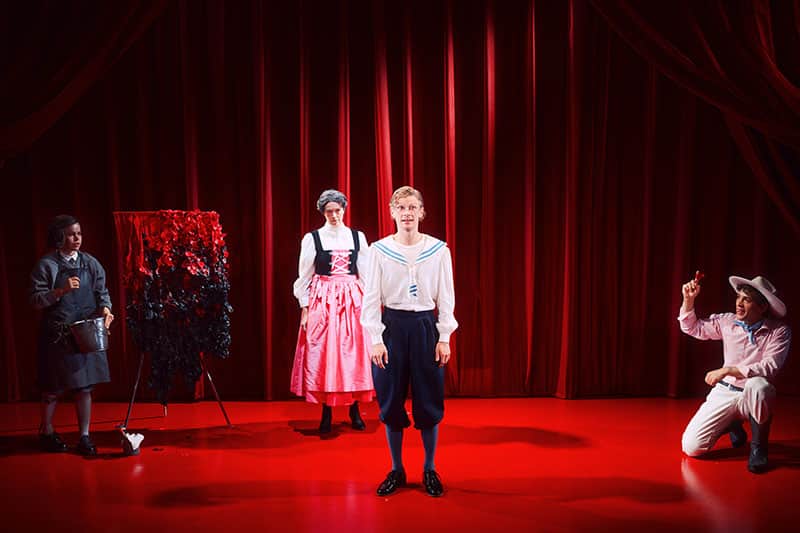
MANN at Aarhus Theatre surprises with humor and grotesque characters
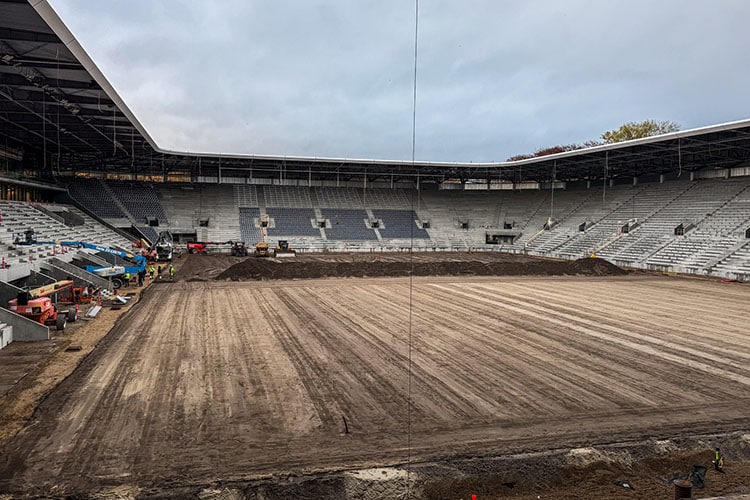
Inside Aarhus' new stadium: Much more than football awaits here
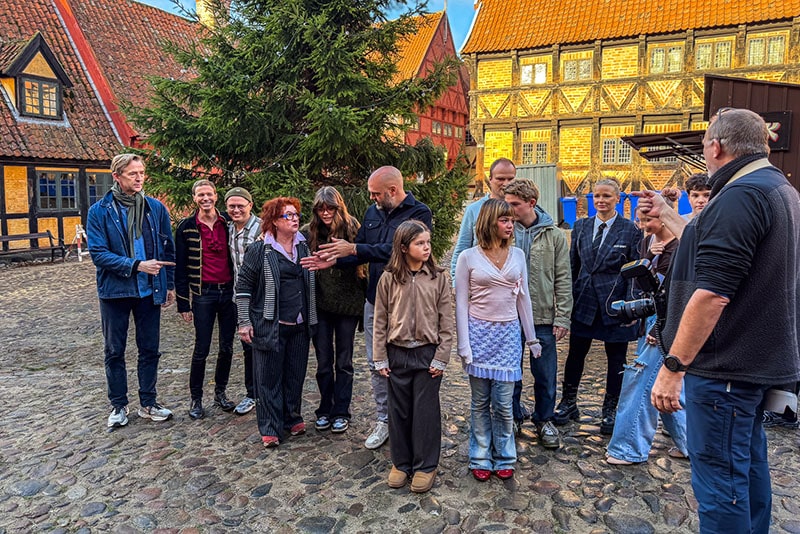
The Great Christmas Story brings the magic of Christmas to the Old Town
The Greenlandic polar explorer at Teater Svalegangen
SERIES AWARDS 2026 brought together the series industry at Aarhus City Hall
Maya – The Kingdom Under the Jungle at Moesgaard Museum

An Angry Woman at the Swallow's Nest Theatre

Iris Gold on stepping into the role of Tina Turner
TINA – The Tina Turner Musical in Musikhuset Aarhus: Simply the Best
Series Awards 2026: Here are this year's nominees
Move Your Mind Festival 2026 on Bora Bora
All The Feels on Bora Bora lets the emotions run wild
Afterglow at the Natural History Museum leaves its mark

Jane Austen's spirit lives on on Aarhus Theatre's stage
It happens in Aarhus
Articles
MANN at Aarhus Theatre surprises with humor and grotesque characters
Inside Aarhus' new stadium: Much more than football awaits here
Freedom’s Fall and the Power of Defiance at ARoS
The Great Christmas Story brings the magic of Christmas to the Old Town
Gin & Tonic Festival in Ridehuset: Much more than gin in the glasses
The Greenlandic polar explorer at Teater Svalegangen
SERIES AWARDS 2026 brought together the series industry at Aarhus City Hall
Bistro Solera on Aarhus Ø: French classics with a unique sea view
Barselona on Train: Melancholy that made the audience dance
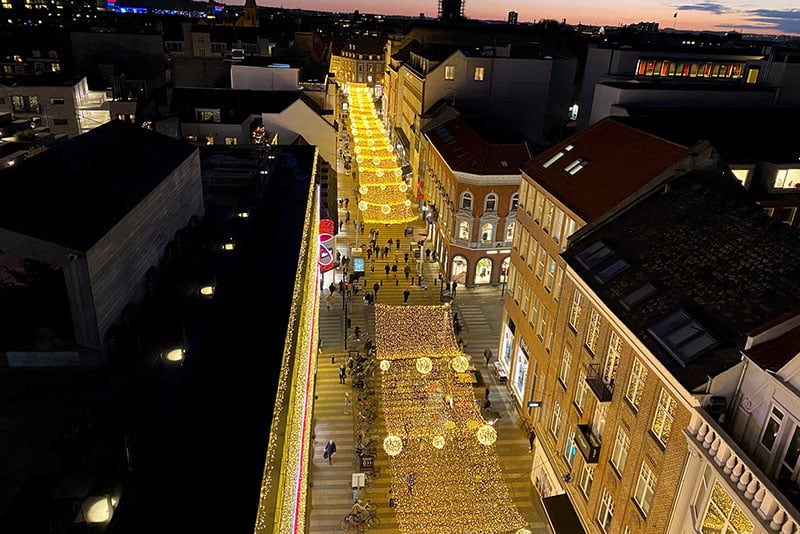
When all of Aarhus lights up for Christmas

Authentic Japanese universe at Ramen Takumi in Aarhus
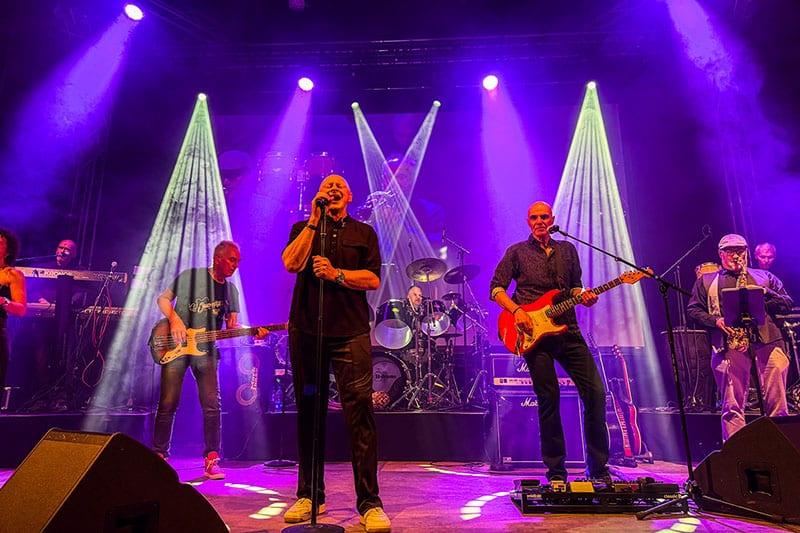
PHIL – Phil Collins tribute at Hotel Fuglsøcentret
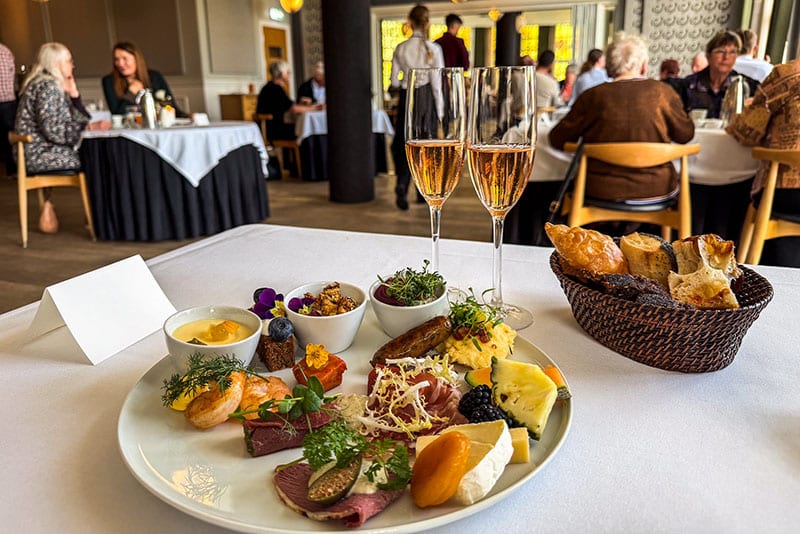
Luxury brunch in Varna – a Sunday with a little extra of everything