
Forest Botanical Garden: Trees from all over the world in Aarhus
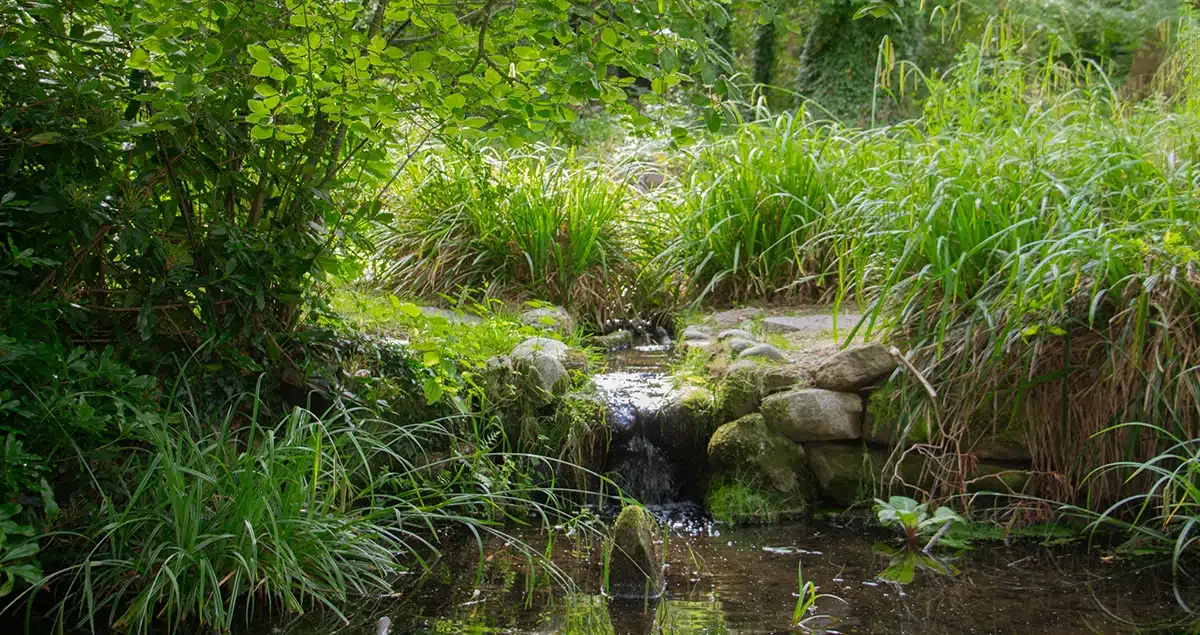
The Forest Botanical Garden contains more than 900 species of trees and shrubs from all over the world. The garden is located between Mindeparken and Marselisborg Slotspark and is one of Aarhus' most peaceful places for a walk all year round.
A botanical collection since 1932
The Forest Botanical Garden was established in 1932 as a living collection of trees and shrubs from different parts of the world. The winding paths, lakes and many different tree species make the garden a popular excursion destination for nature lovers, students and visitors looking for a quiet walk close to the center of Aarhus.
Images
Memorial stone
Practical
A living collection of trees
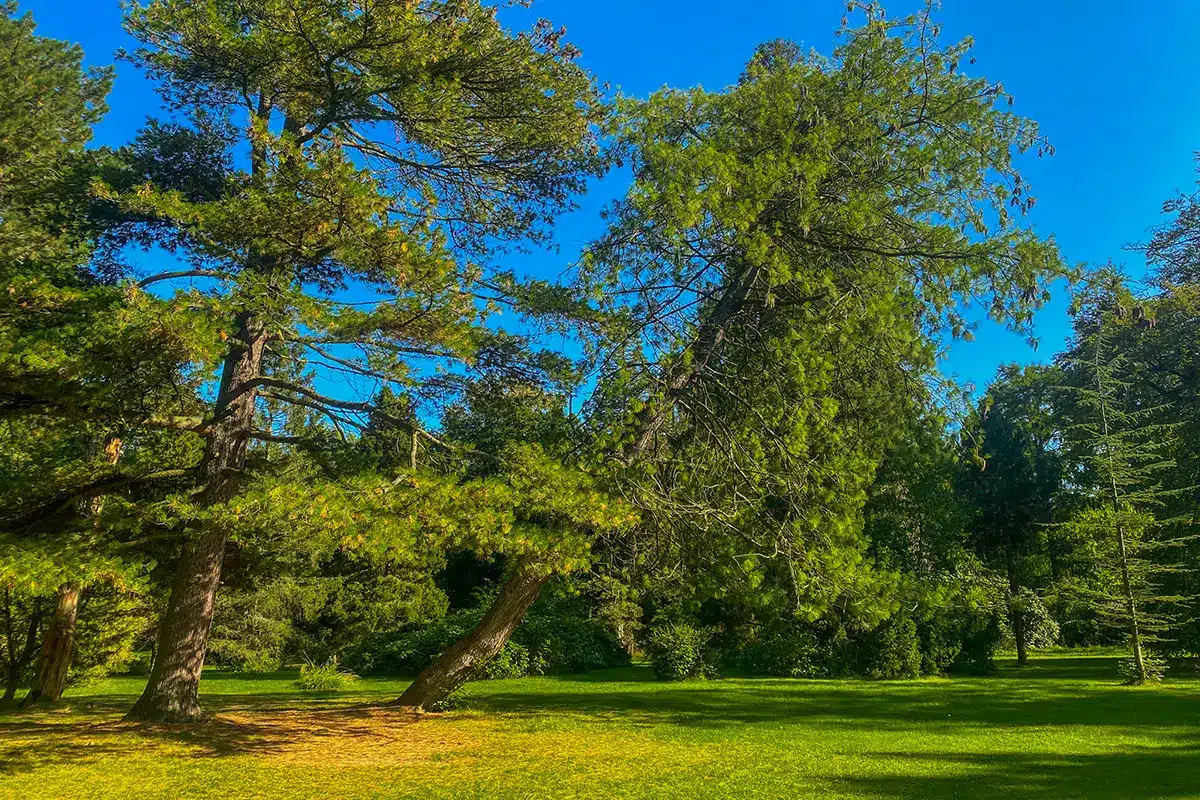
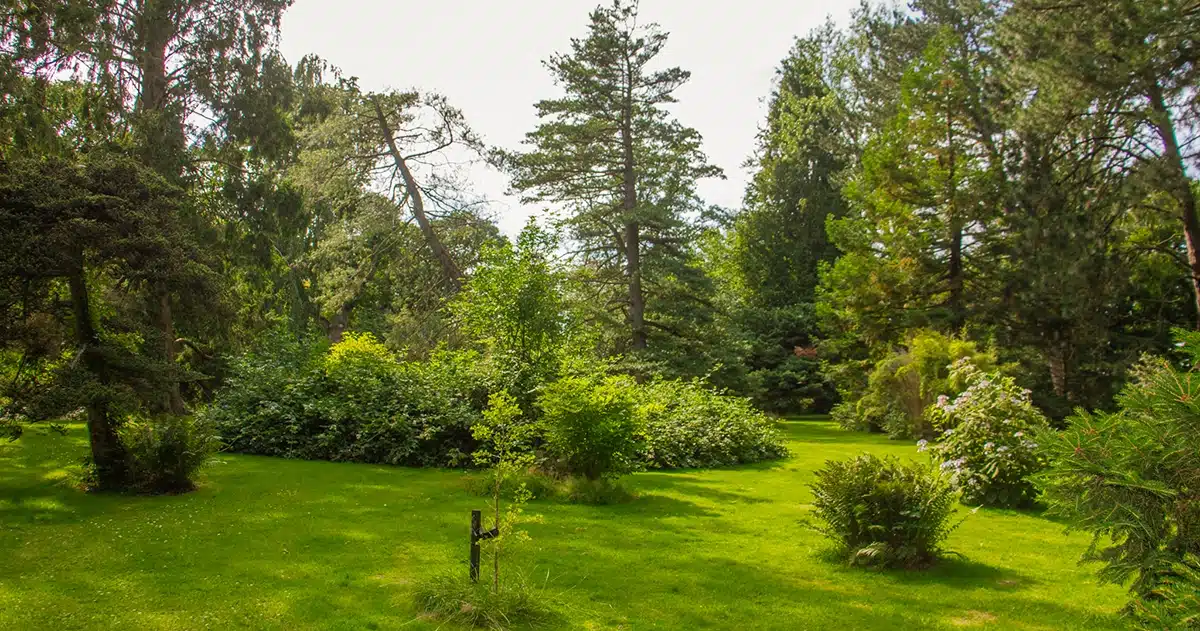
The Forest Botanical Garden covers about five hectares and contains more than 900 different species of trees and shrubs. Many of the plants are provided with signs that tell about their name and origin, and the garden is used for research, education and recreational experiences.
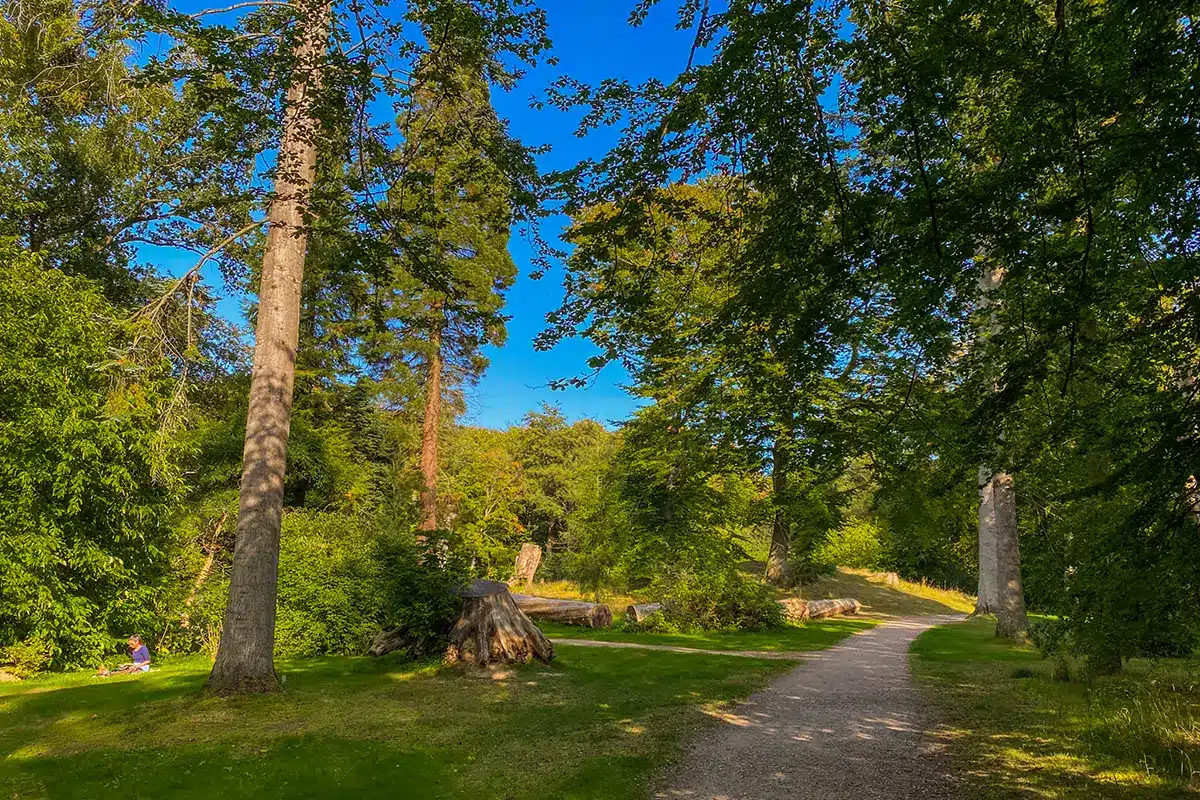
Here you can experience, among other things, sequoia trees, tulip trees, pigeon trees and many other species that are rarely seen elsewhere in Denmark.
The Red Gate and the Forester's House
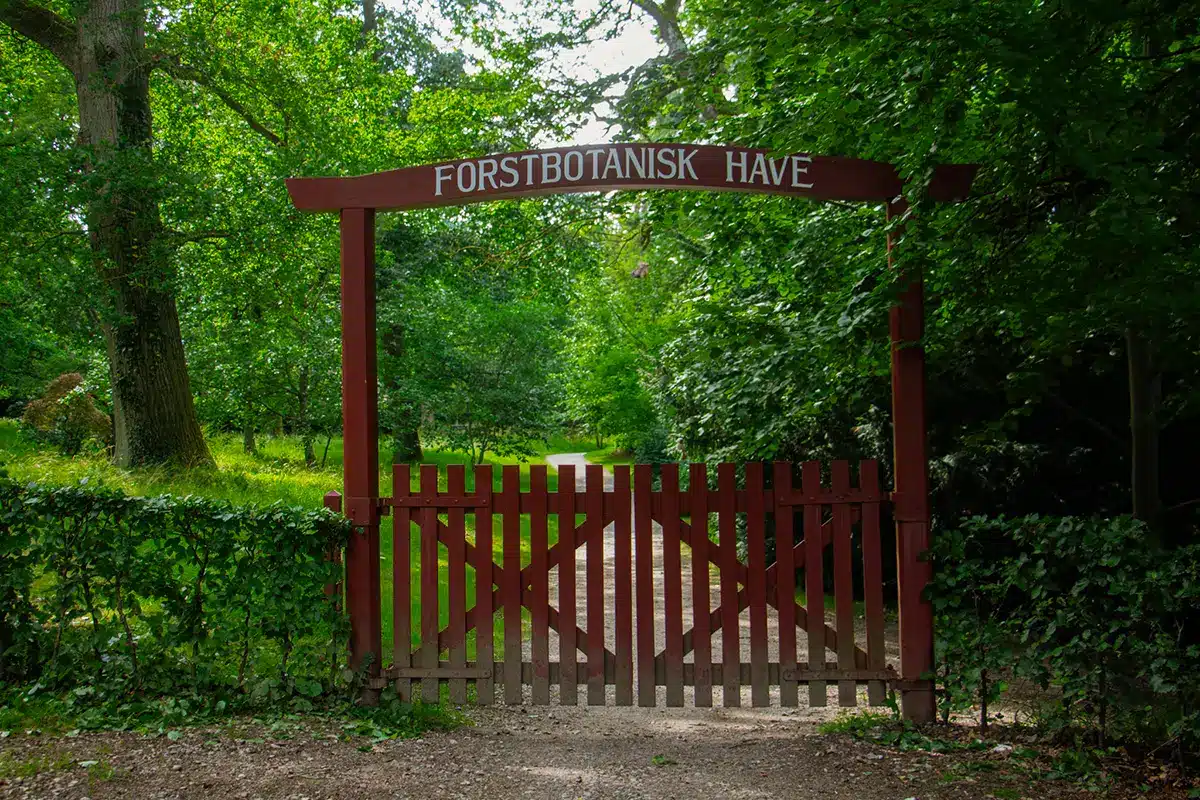
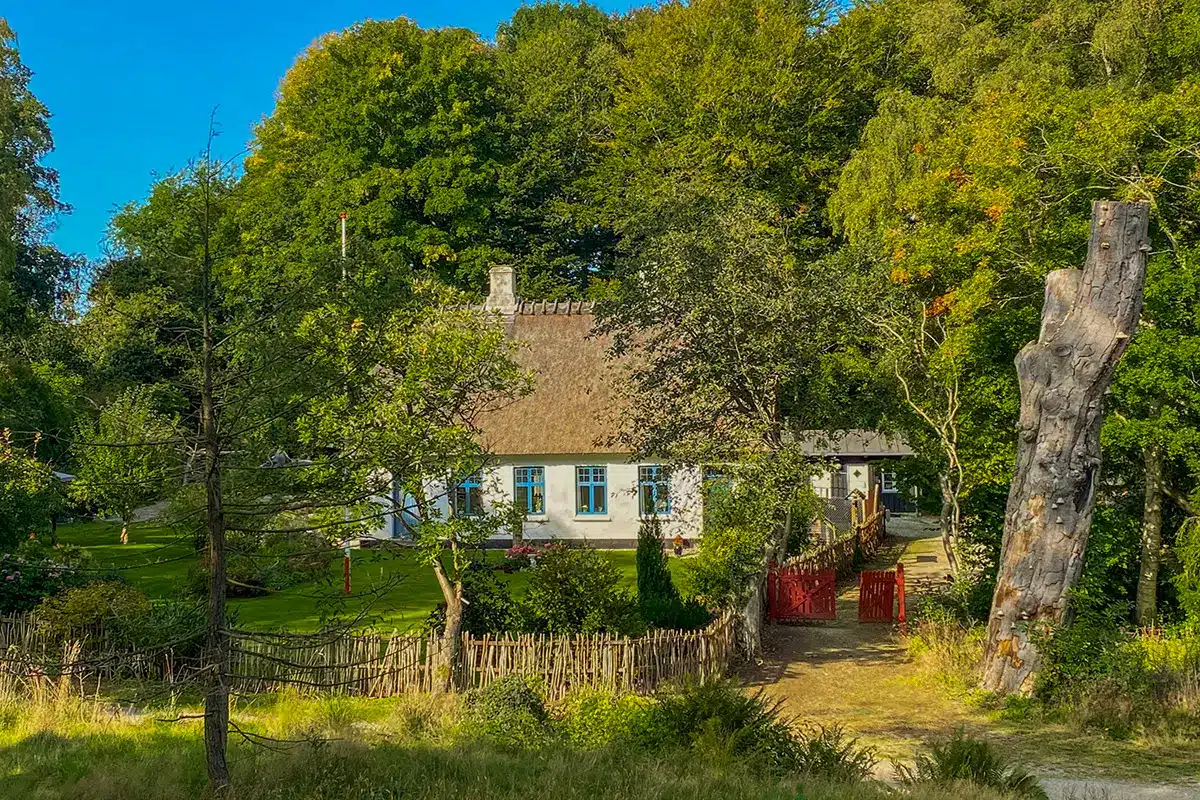
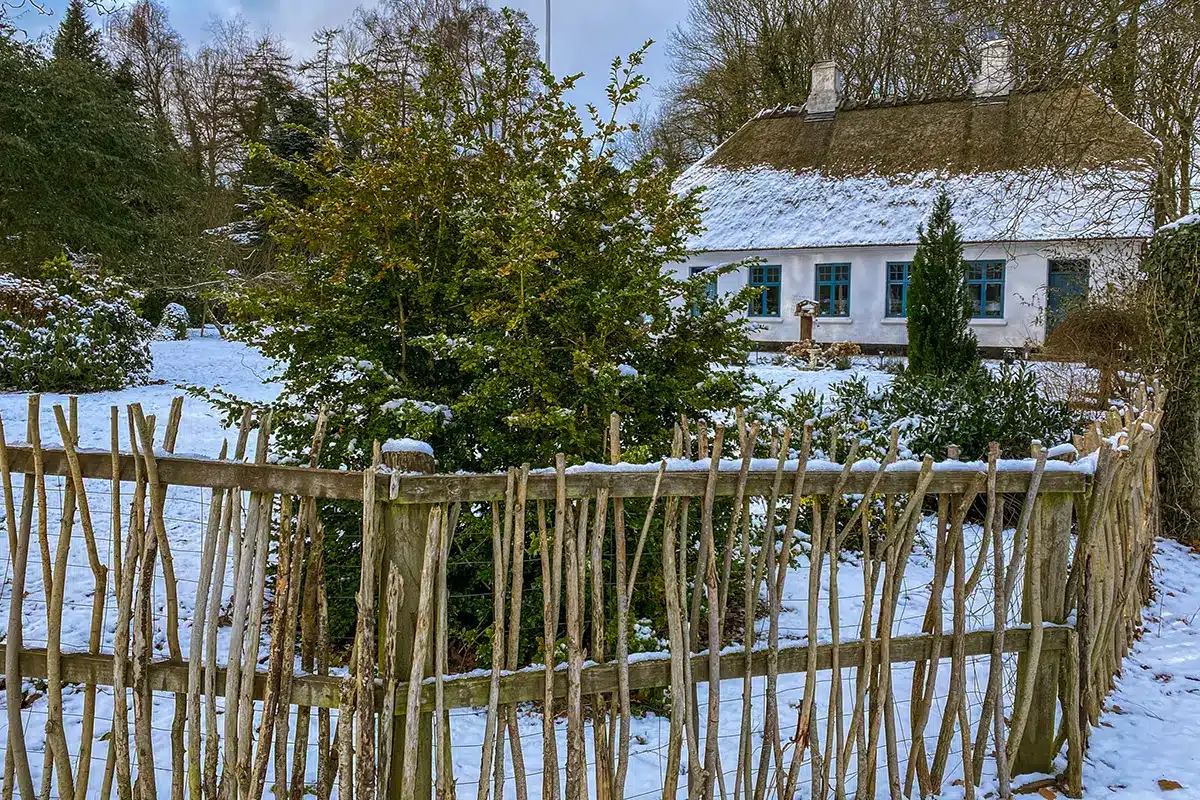
The entrance from Skovridervej is marked by the characteristic red gate, which has become a landmark of the garden. Just inside is the old forester's house with a thatched roof, a small pond and the memorial stone with the words "Silence is the language of reality".
It is a quiet area that provides a nice introduction to the rest of the garden.
The cave and the old trees
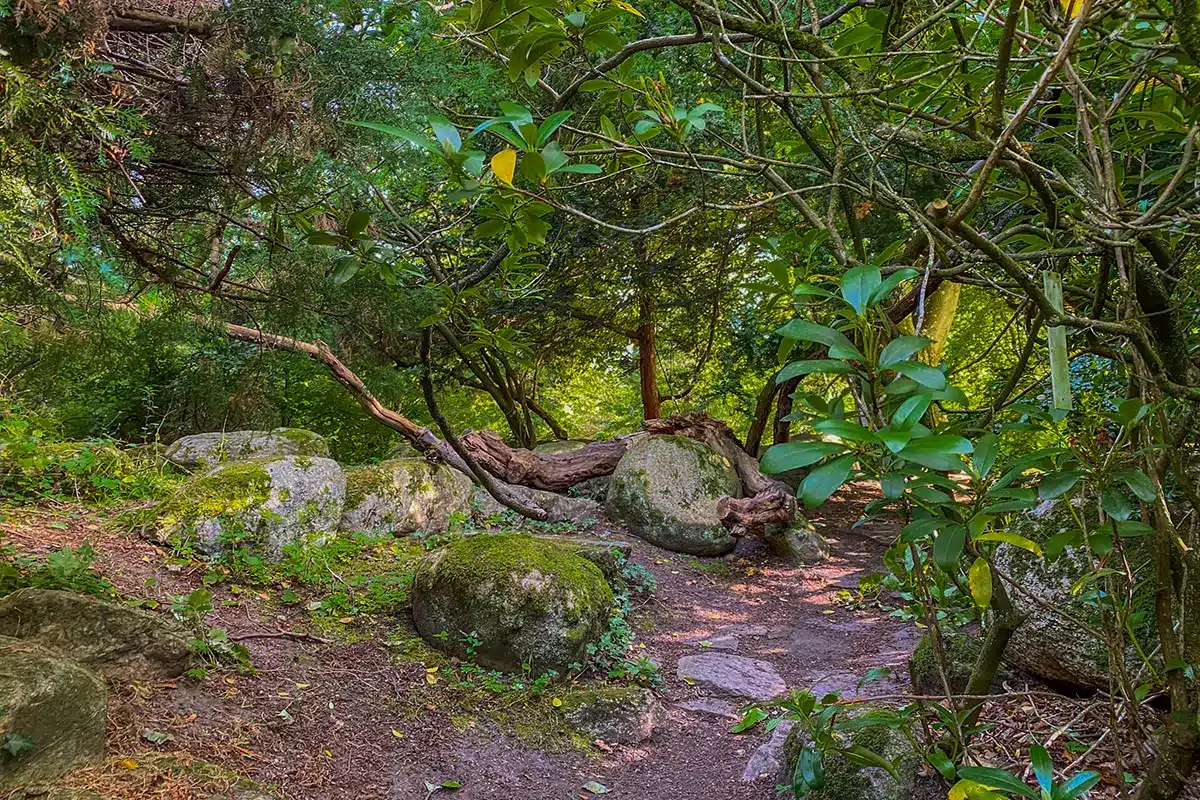
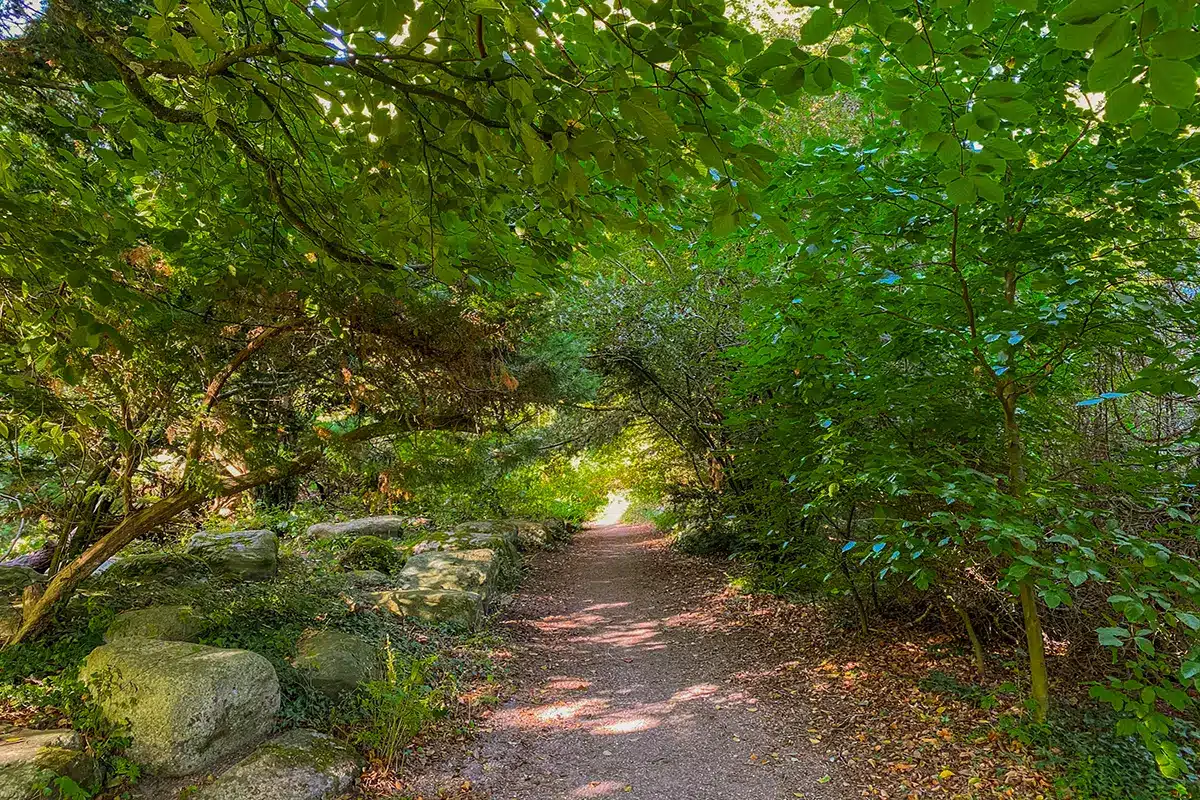
One of the garden's most distinctive areas is the Grotto, which was created in 1923 on a former gravel pit. Large boulders, old trees and hilly terrain give the area a different look than the rest of the garden.
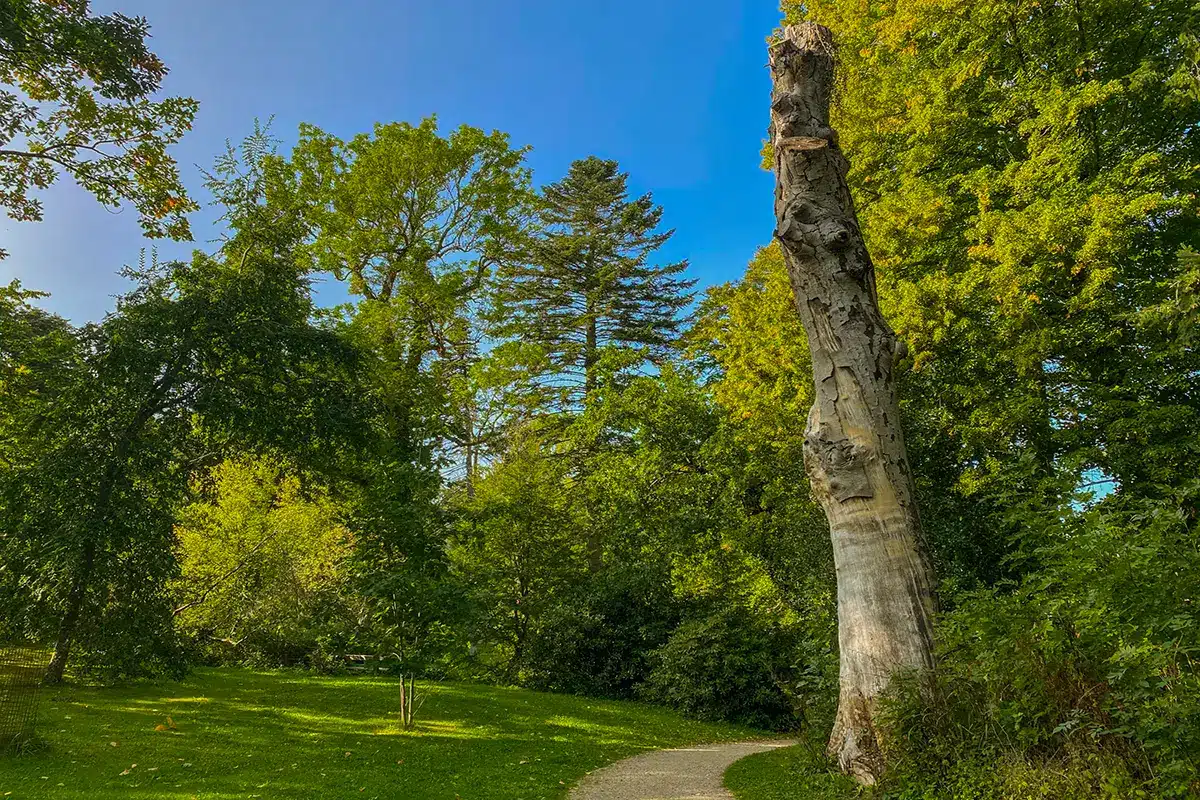
In several places, dead trees are allowed to remain, where they become habitats for insects, fungi and birds as part of the garden's focus on biodiversity.
A botanical world journey beneath the treetops
You can see everything from exotic species from China to the majestic giants of North America.
Keep an eye out for the impressive Sequoias, which can grow to 90 metres tall in their native land, as well as the beautiful Tulip Tree and the rare Pigeon Tree. When a tree's life ends, it is often allowed to remain as part of the park's biodiversity, creating life for both insects and birds.
The Lake and the Forest Nymph
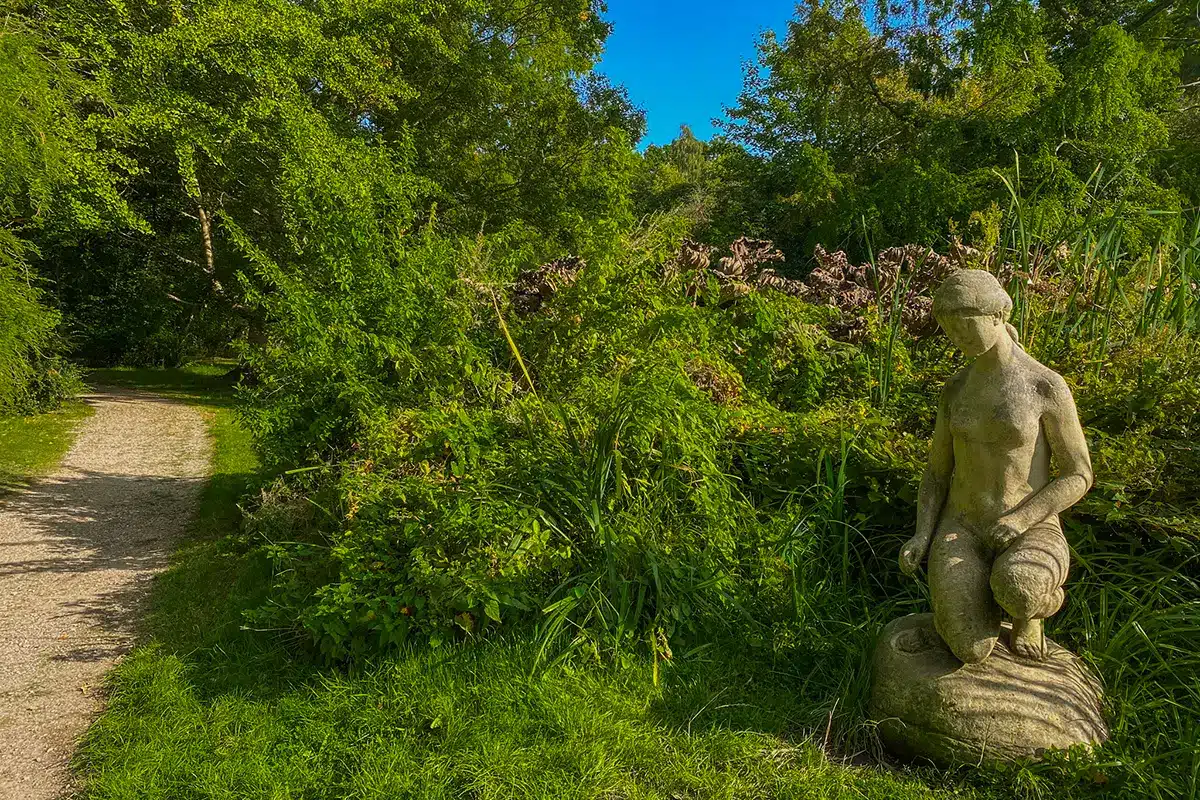
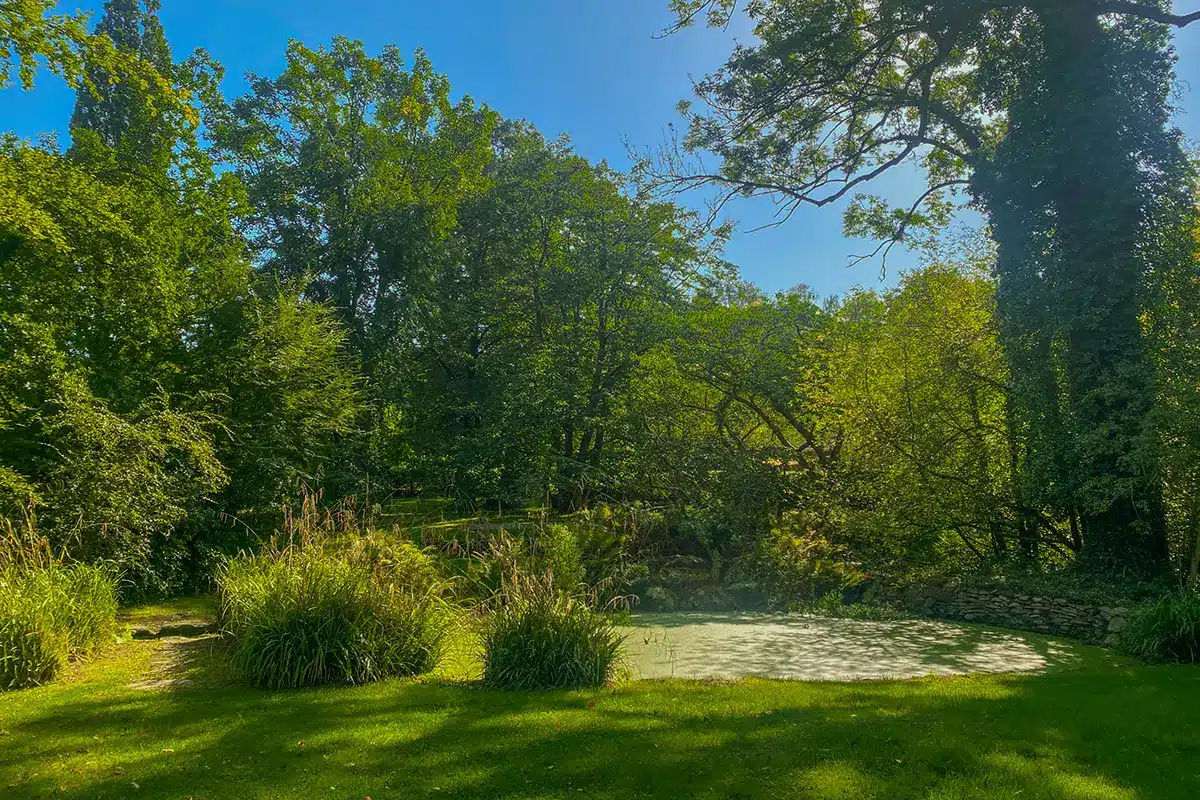
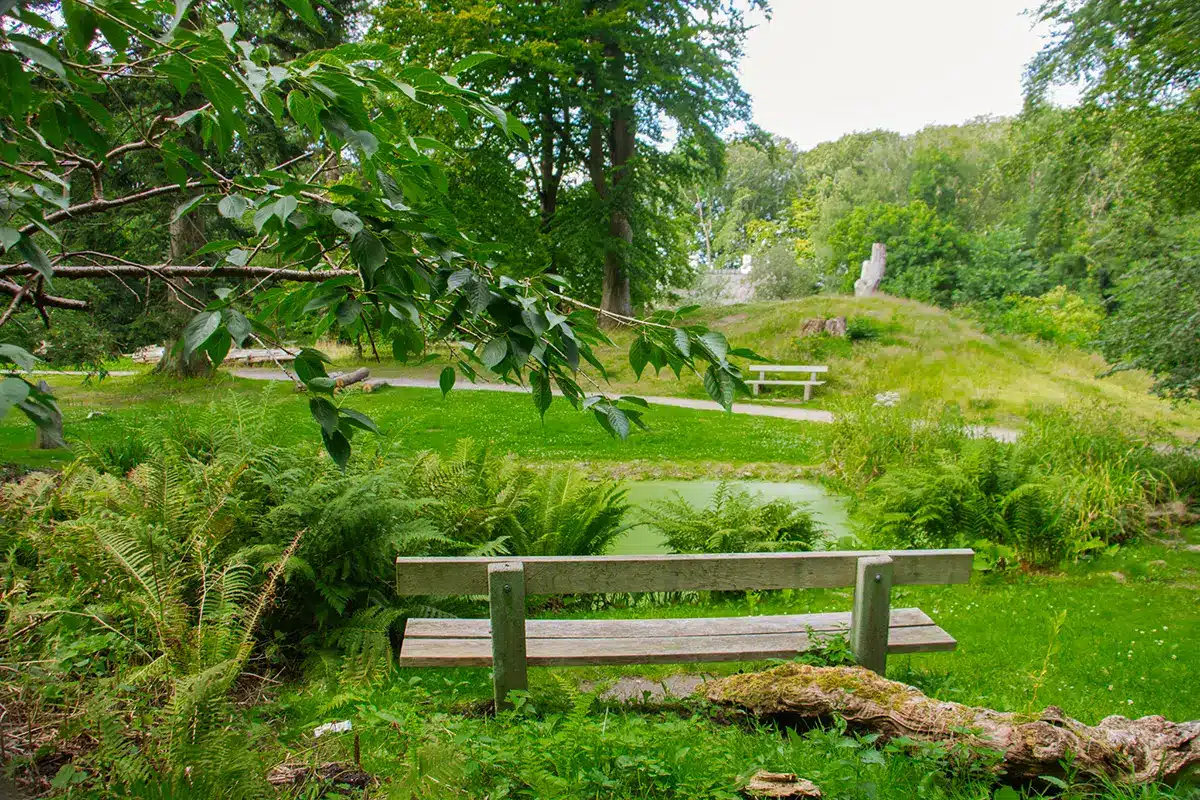
In the middle of the garden is the lake, which attracts ducks, herons and other wildlife. On the shore stands the sculpture The Forest Nymph, created by Elias Ølsgaard in 1941, surrounded by some of the garden's oldest beech trees.
It is one of the places where many people choose to sit on a bench and enjoy the view over the water.
The garden changes with the seasons
The Forest Botanical Garden is worth visiting all year round. Spring brings new leaves and flowers, summer provides shade under the large tree crowns, and autumn colors the garden in yellow, red and orange hues.
In winter, the shapes of the trees stand out clearly, and the many different species also make the cold season an experience.
Practical information about the Forest Botanical Garden
Parking at the park
There is free parking at one entrance to the park. The address of the car park is Skovridervej 10.
Public transport
Bus 6A | 31 | stops at Oddervej.
Bus 19 stops at Carl Nielsensvej.
Public toilets
There are no public toilets in the park. But in Mindeparken, which is close by, there is a toilet.
Playgrounds
There is no playground in the park.
Location
Find out Google Maps
See pictures from Forest Botanical Garden
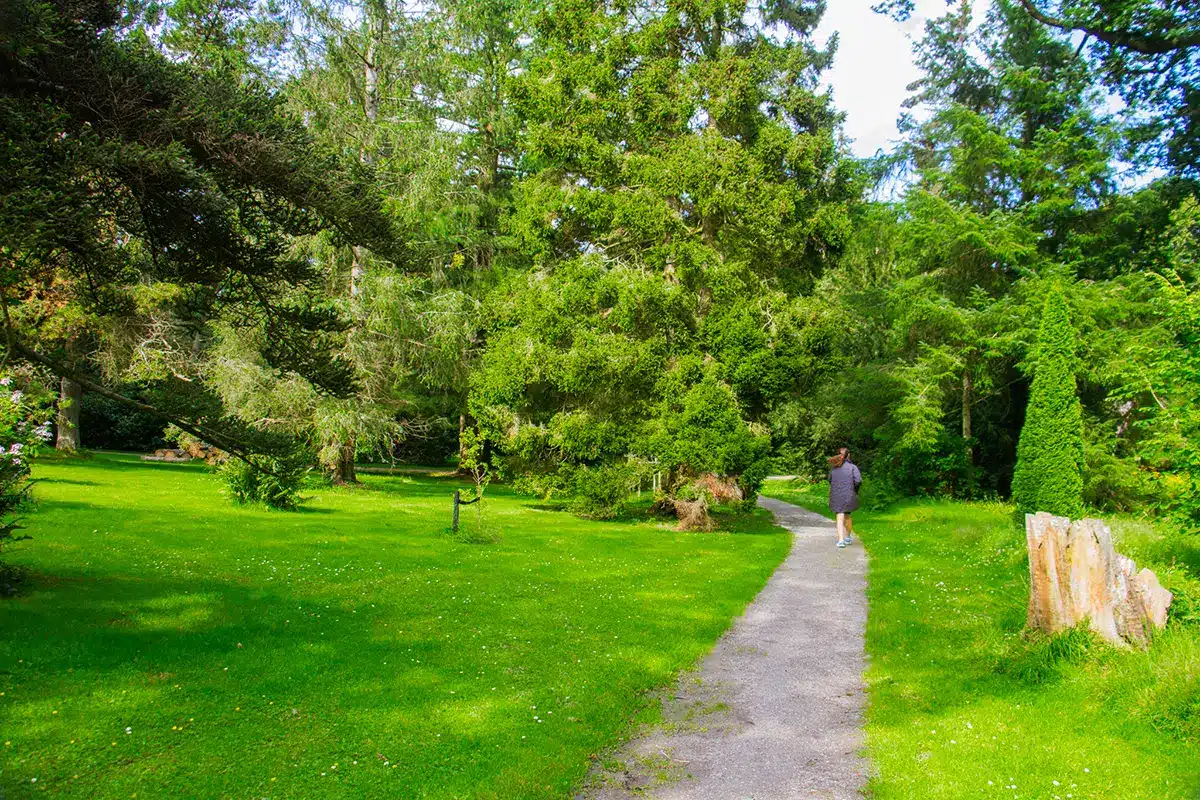
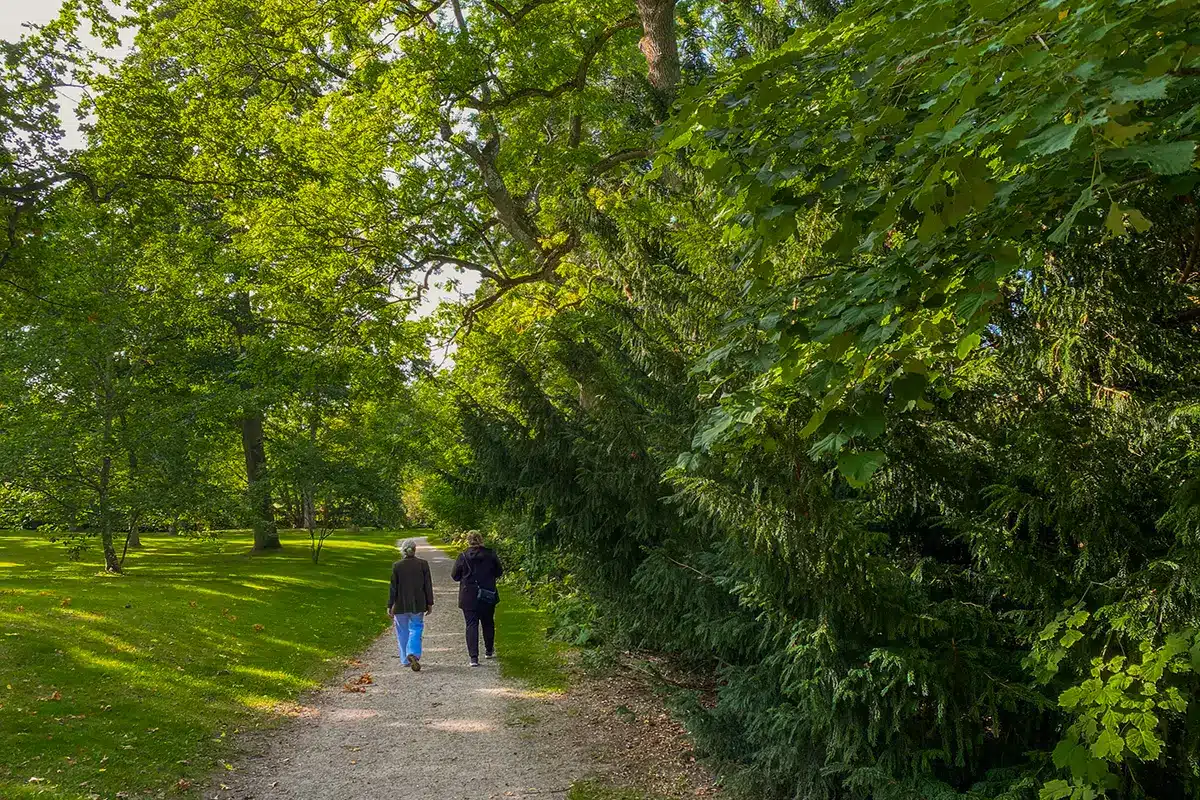
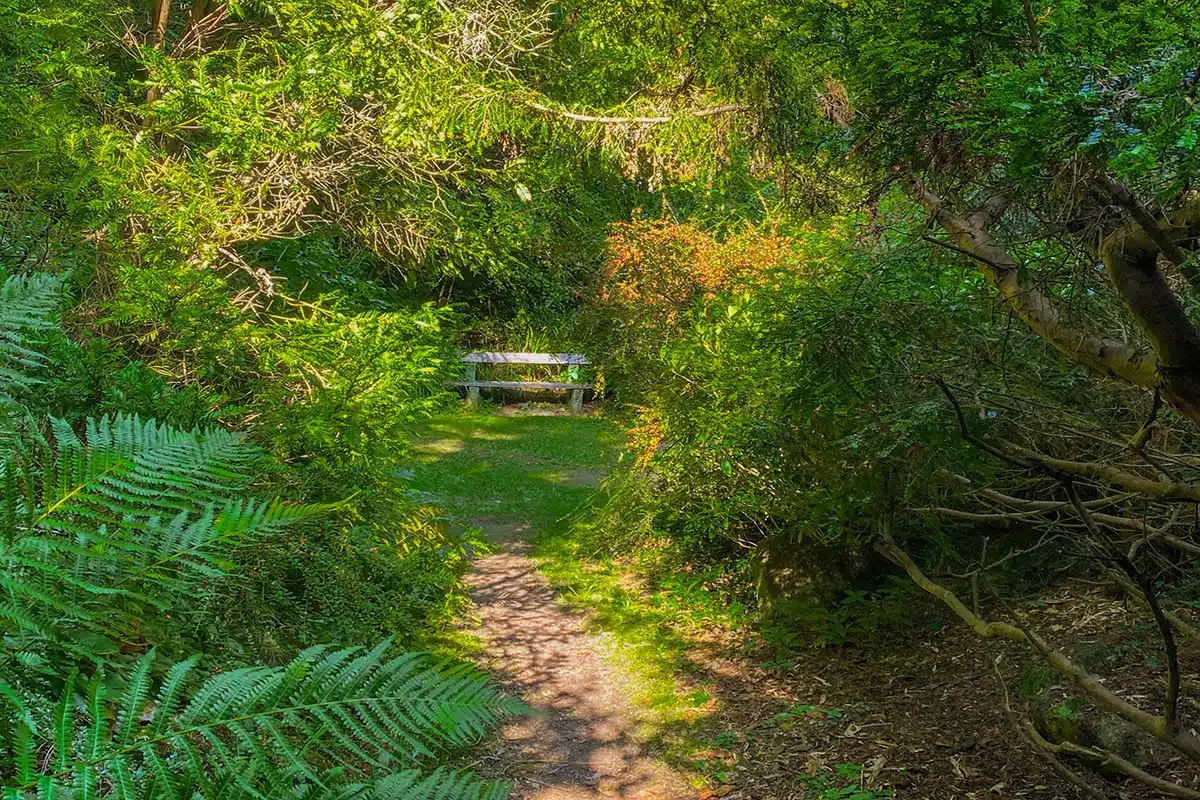
See pictures from the Forest Botanical Garden and experience the red entrance gate, the many tree species, the Cave, the lake, the Forest Nymph and the winding paths that make the garden one of Aarhus' most distinctive green areas.
Discover more parks in Aarhus.
Aarhus has parks, each with their own unique character. Some are known for their historical surroundings, others for their lakes, flowers, playgrounds or large grassy areas. Here you will find our guides to the city's parks with inspiration for walks, picnics, nature experiences and excursions all year round.