That's why Den Gamle By is nominated for the EMYA award 2026
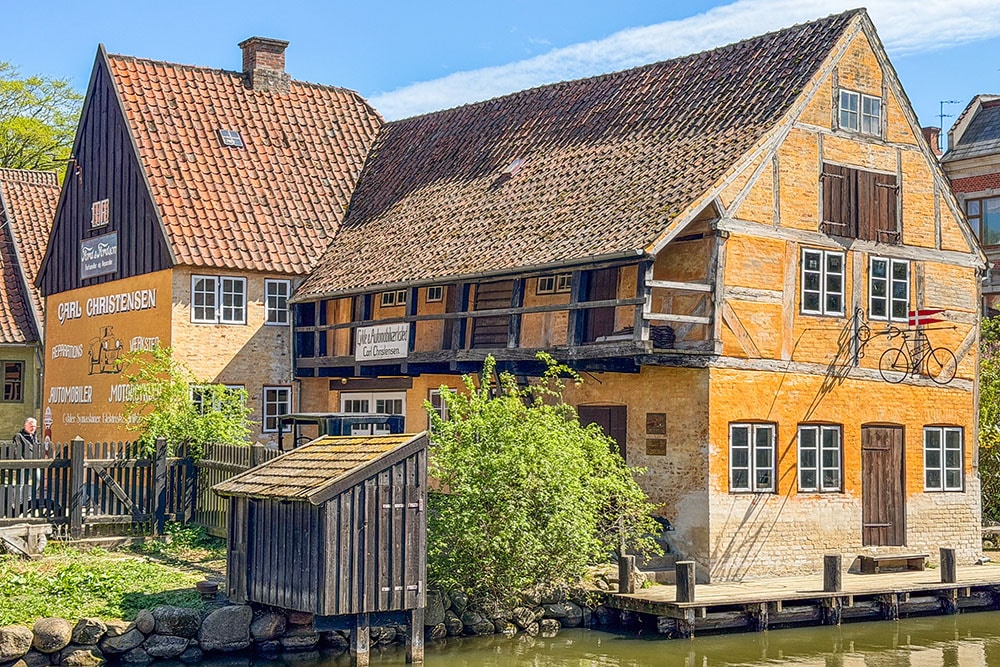
You may know that special silence that settles over a street that is not quite present and not quite past. The trash can that stands on the sidewalk is a historical object, but it looks like a completely ordinary waste sorting station, and you walk past it without thinking about it. That's what it's like to step into the 2014 street in Den Gamle By. Some things you recognize and other things you may have already forgotten.
I visited Den Gamle By, where I had a chat with Deputy Director Kitt Boding-Jensen. Here she showed me the places that the European jury visited before they put Den Gamle By on the list of 34 nominated museums for the European Museum of the Year Award – the EMYA award. Or what Kitt herself calls the Museum Oscar.
EMYA is one of Europe's most recognized museum awards. It has been awarded by the European Museum Forum since 1977 and annually honors museums that make a special effort to innovate their communication and create powerful experiences for the public.
The winner of the EMYA award will be announced on June 13 in Bilbao, Spain. In previous years, the award has gone to places such as the Rijksmuseum in the Netherlands and the Design Museum in London.
"What's important is that it should be within new initiatives," she explains as we walk up the street. "And that's exactly what Den Gamle By always strives for."
A blockbuster, a 7-Eleven and a pizzeria
We stop in front of a 7-Eleven sign. It almost seems too new to be a museum, but that's exactly the emphasis on innovation.
Den Gamle By has chosen to make contemporary history part of their exhibition. Moving the narrative all the way up to 2014 is one of the newest steps for the museum, and it is one of the reasons why the European jury has chosen to look in that direction.
“We do a study of what a street in an ordinary market town looked like,” Kitt says. “And based on that, we select the businesses and homes that are here. Some because they are completely typical of the period. Some because they stand out a little bit.”
The Blockbuster just closed in 2014, just before streaming took over. 7-Eleven shows that we had been open 24 hours a day. The pizzeria represents the most purchased takeout that year. It's an archaeology of an everyday life we've barely said goodbye to, and that's part of what the judges noticed.

The Isager family
We go up to an apartment where Lena and Anne-Mette lived with their three children, Asta, seventeen, and the twins Holger and Johan, sixteen. A rainbow family in a completely ordinary modern everyday life. It is also part of the innovative stories that the museum brings, which not only confirm, but reflect the Denmark that we actually are.
At the entrance to the apartment are the shoes that were kicked off. Jackets hang on hooks. On the table is a pile of keys. in exactly the same place as they were at the family's.
“At first they were just loose,” Kitt says with a smile, “but people kept coming down and dropping them off at reception. So now we’ve tied them up.”
Inside Asta's room, homemade drawings with Ravenclaw letters hang above the bed. Asta, like many other teenagers, was a big fan of Harry Potter. The clothes are scattered all over the floor. It's the mess that a sixteen-year-old girl had in 2014, reproduced down to the smallest detail, because the family themselves have helped to decorate the apartment.

A cup of coffee and a closed apartment
We leave the apartment again and round the corner onto the street. Up here on the first floor is an apartment that looks like it was built in the late fifties. The wallpaper is floral, the lamps are yellow and orange, and on the kitchen table is a blue cup of black, steaming coffee.
The apartment is normally closed to regular guests. It is used for visits by people with dementia. They come four or five at a time, along with the staff from the nursing home, and they are invited in as they would have been to an aunt or a neighbor's house.
“It's not about me telling them what it was like in the 1950s,” explains the facilitator who invites the elderly in. “I just have to be the host and listen to the stories that they suddenly remember and tell.”
She talks about the warmth that arises when a man suddenly remembers things from his childhood. About stories that are not told anywhere else, but that come to light here, between a cup of coffee and a cake. It is a piece of cultural work that intervenes in the health sector, and it is one of the things that makes Den Gamle By more than a museum in the traditional sense.

At Lars's
We end the tour inside Lars Laursen's house. He is one of the house's craftsmen, has been in Den Gamle By for 28 years, and is the only one who both lives and works at the museum. When we enter, he is sitting at his pedal-powered lathe, planing a long flake of wood from the piece of wood. The curls fall into his leather apron.
He says that he does not sand the wood with sandpaper. Because then the traces of the hand are erased, and it is precisely the traces that carry the story forward. It is the intangible cultural heritage, the living craftsmanship, that the museum also works to preserve.
This is where it all comes together. The Old Town doesn't just show how we once lived. The museum moves the story all the way back to yesterday, opens its doors to those who have forgotten their own youth, and keeps the craft alive through a man who refuses to erase the traces.
That's what a European jury has seen, and that's what we'll find out on June 13 in Bilbao, whether it goes all the way to a Museum Oscar.
The Old City is one of Aarhus' most visited attractionsYou can read our complete guide to the Old Town here.
Museums in Aarhus
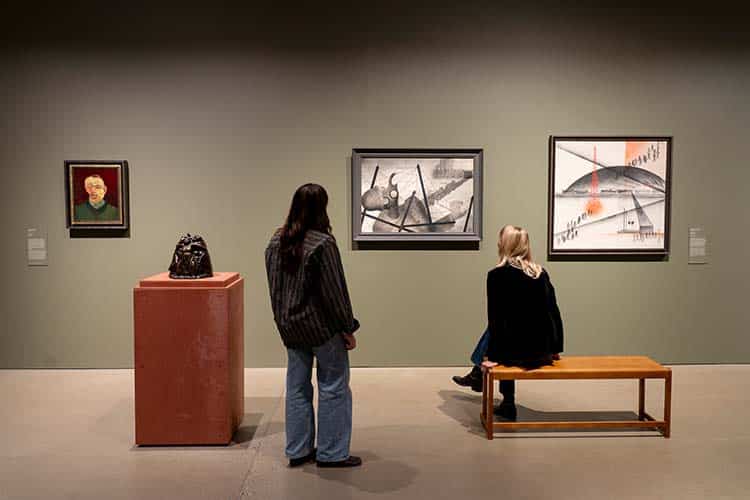
Freedom’s Fall and the Power of Defiance at ARoS
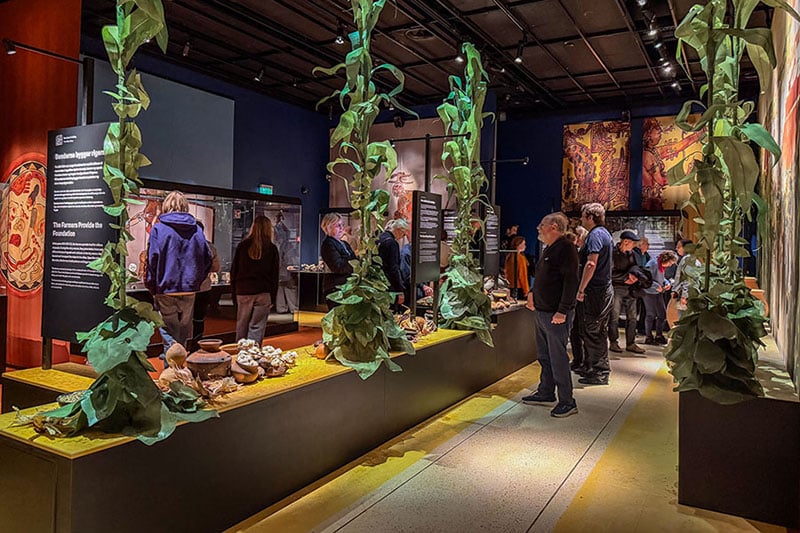
Maya – The Kingdom Under the Jungle at Moesgaard Museum

Revisit Favorites from the collection at ARoS

Jane Austen's spirit lives on on Aarhus Theatre's stage

70s evening in the Old Town brings history to life

Food experiences in the Old Town from hotdogs to whipped cream cakes
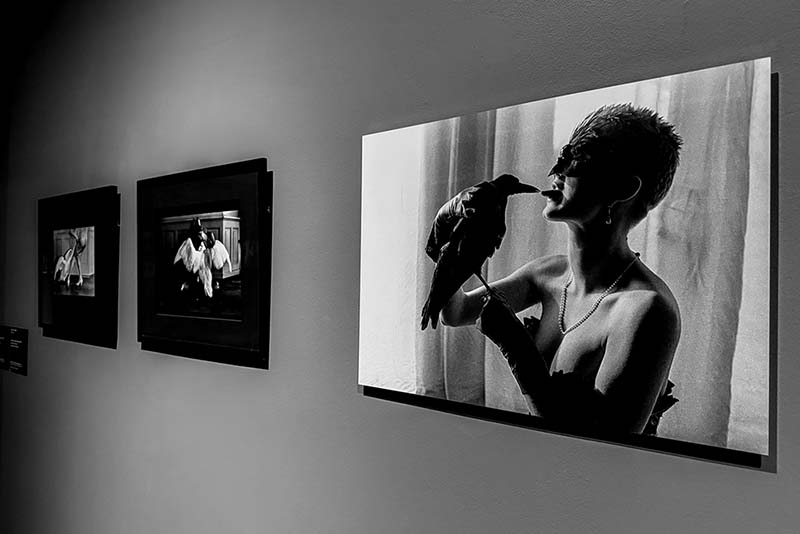
Disobedient – The Body in Punk by Marie Arleth Skov at ARoS

You go underground and end up in heaven. As Seen Below – The Dome, a Skyspace by James Turrell
It happens in Aarhus
Find an overview of the upcoming experiences and events in Aarhus.
Articles
Freedom’s Fall and the Power of Defiance at ARoS
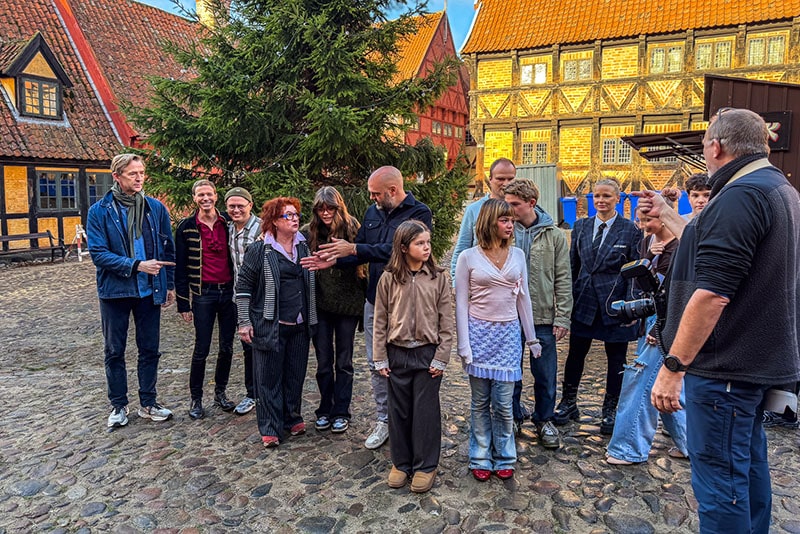
The Great Christmas Story brings the magic of Christmas to the Old Town
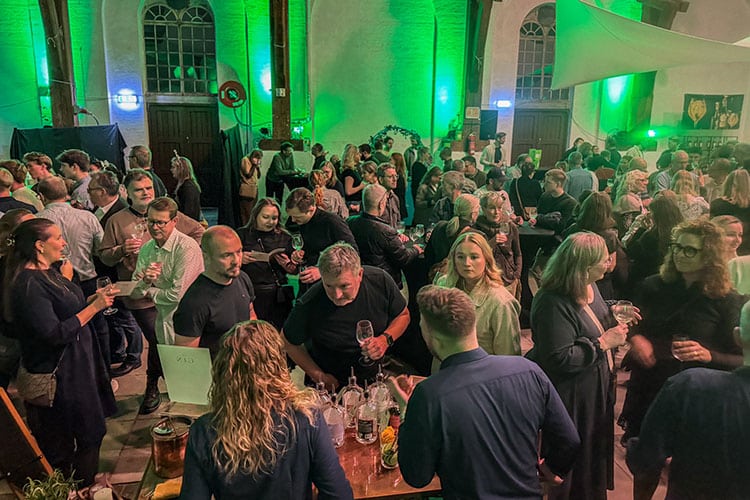
Gin & Tonic Festival in Ridehuset: Much more than gin in the glasses

The Greenlandic polar explorer at Teater Svalegangen
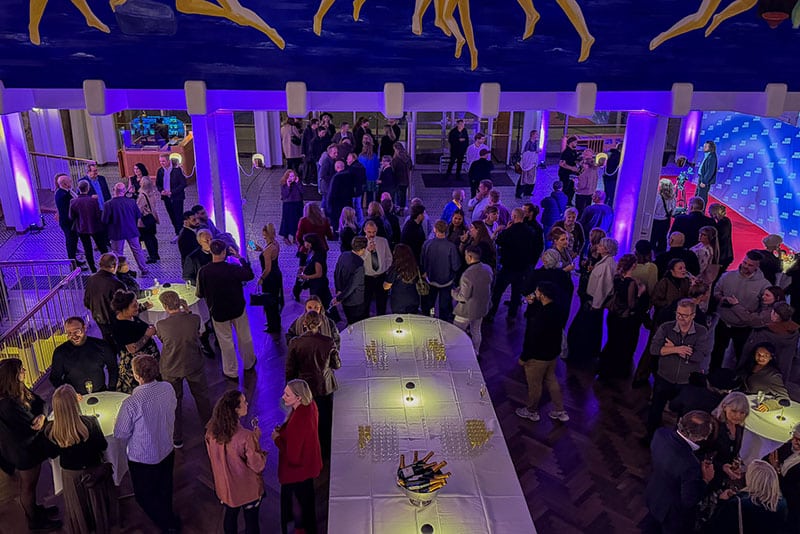
SERIES AWARDS 2026 brought together the series industry at Aarhus City Hall
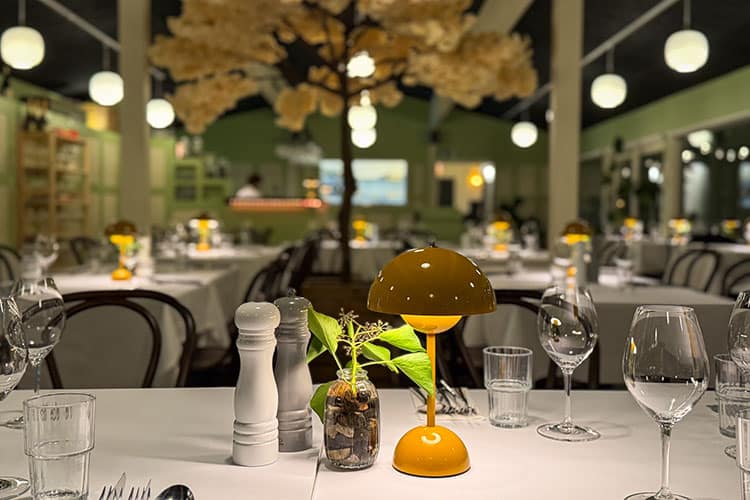
Bistro Solera on Aarhus Ø: French classics with a unique sea view
Barselona on Train: Melancholy that made the audience dance
When all of Aarhus lights up for Christmas

Authentic Japanese universe at Ramen Takumi in Aarhus