Cinderella – The Musical turns the fairy tale upside down
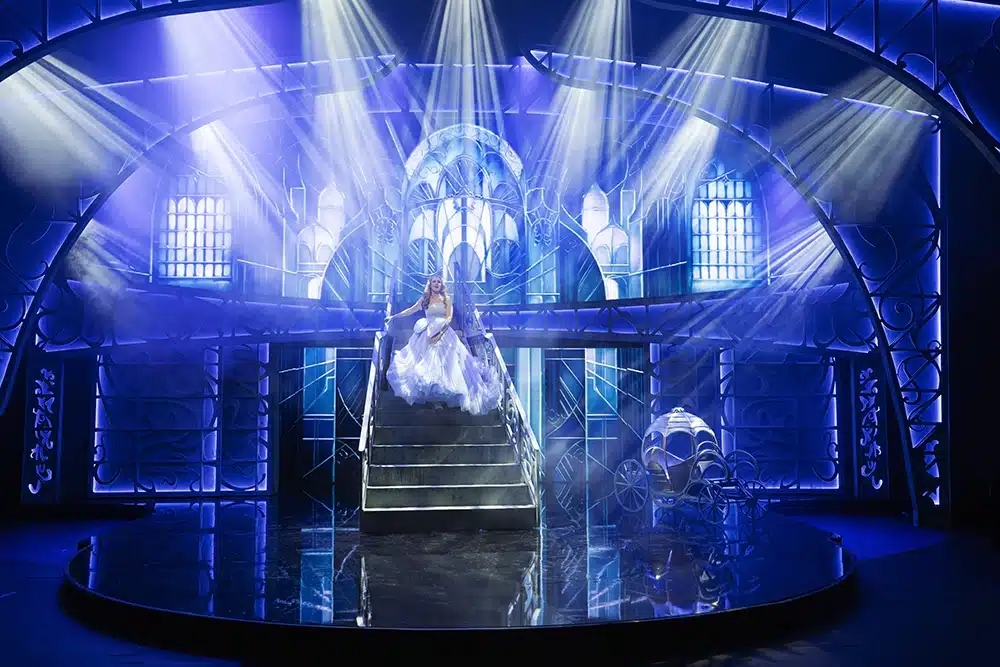
The glass slippers are there. So are the wicked stepmother, the two terrible stepsisters and the prince, who Cinderella must fall in love with according to the rules of the fairy tale. But Cinderella – The Musical in Musikhuset is far from a traditional Cinderella story. Here the fairy tale has moved into a hectic fashion world with expensive shoes, designer dresses and people who are very busy being the perfect ones.
It's a performance with lots of power. The music, the dancers and the many scene changes send an energy into the hall, and the audience is with them all the way. There is laughter and applause throughout the performance, and several of the songs make you want to get up from your chair and dance along.
From Fashion Week to an old fairy tale
We first meet Ella as a child. Her mother is going to Paris, where her jewelry is to be used at a fashion show, but Ella loses her while she is still little. When we meet Ella again as an adult, she works in the fashion industry and dreams of becoming a designer herself. She is just at the bottom of the hierarchy, picking up coffee and having a hard time speaking up to both her bosses and the working conditions she is offered.
It's Fashion Week, and a shoe worth thousands of euros has been given an important role in the big show. When everything goes wrong around Ella, supermodel Jean Claude Barriere and the very expensive shoe, she is thrown into another reality. Suddenly she is Cinderella and trapped in the fairy tale that we all think we know.
Ella doesn't really want to be Cinderella, though. She'd rather go back to her own world, but the Fairy Godmother explains to her that she has to follow the rules of the fairy tale if she's going to find her way home. So even though she protests, she has to go through the whole story with her stepmother, stepsisters, ball, glass slipper and of course the prince.
The prince is just not very interested in getting married, even though the king has decided that he must if he wants to take over the kingdom. And he is also not the type of prince who can immediately see who Ella really is. This makes it a somewhat different story than the one where Cinderella just has to wait to be found.
Humor in the middle of the adventure
Silas Holst plays both the fashion designer Louis Lenoir and the Good Fairy. As the fairy, he enters the story with lots of warmth and humor, and he gets many laughs from the audience. At the same time, he is the one who follows Ella through the fairy tale and tries to keep her on the rules when she just wants to go home.
When Cinderella needs a dress for the ballet, the fairy tale says the mice should show up and help. They just don't, and the fairy has to do it herself. It's one of those places where the show plays with the story we all know, reminding us that this version isn't going to do everything the way it usually does.
At the castle we meet Stig Rossen as the king. He has a sore knee, problems with his toe and wants to pass the kingdom on to his son. First the prince just has to get married. The king's flaws and growing impatience with his son provide plenty of laughs every time he is on stage.
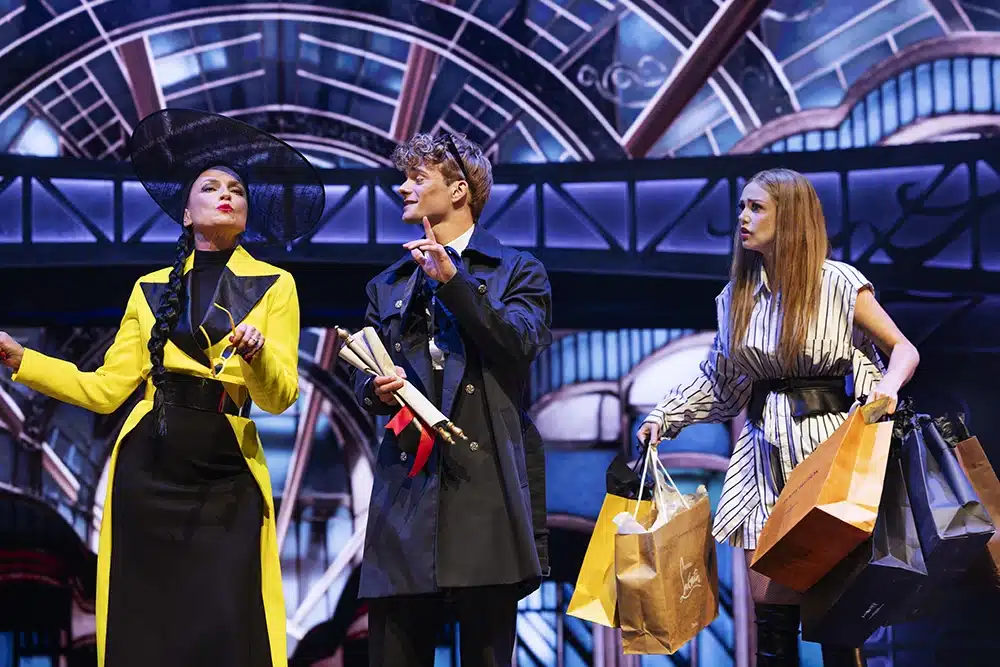
The many supporting characters also get a chance to step forward. The stepmother and the two stepsisters, on the other hand, are recurring characters who fill a large part of the story and are responsible for several of the moments where the audience laughs along.
The songs come out all over the hall
The music was written by Rasmus Seebach in collaboration with Ankerstjerne and Andreas Sommer, and you can easily hear Rasmus Seebach in both the melodies and the way the songs build up the emotions. Several of the choruses quickly become stuck, and you almost feel like you know the song before it's over.
The songs are not inserted as little breaks between lines. A large part of the story is told through them, and they carry Ella from one part of the adventure to the next.
The music is played live, even though the musicians cannot be seen from the hall. The sound in the Great Hall is really good. It is powerful without drowning out the voices, so you can both hear the words and feel the energy in the songs.
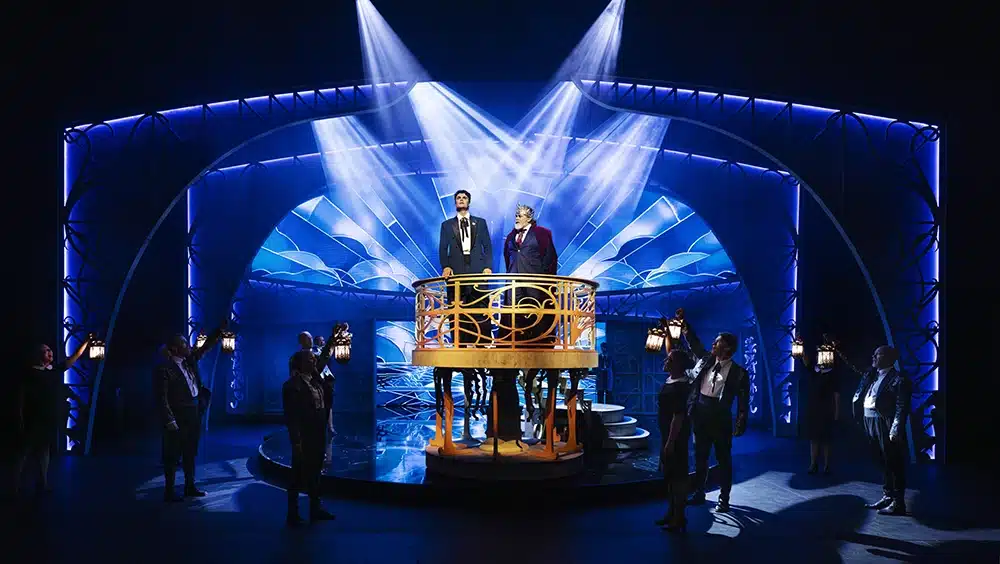
Two worlds on the same stage
The modern fashion world and the old fairy tale look very different, but on stage they naturally slide in and out of each other. One moment we are in the middle of a hectic fashion show, and soon we are standing in the castle with the king and the prince. The transitions are so natural that you hardly notice them. The story just moves on, while the set design follows suit.
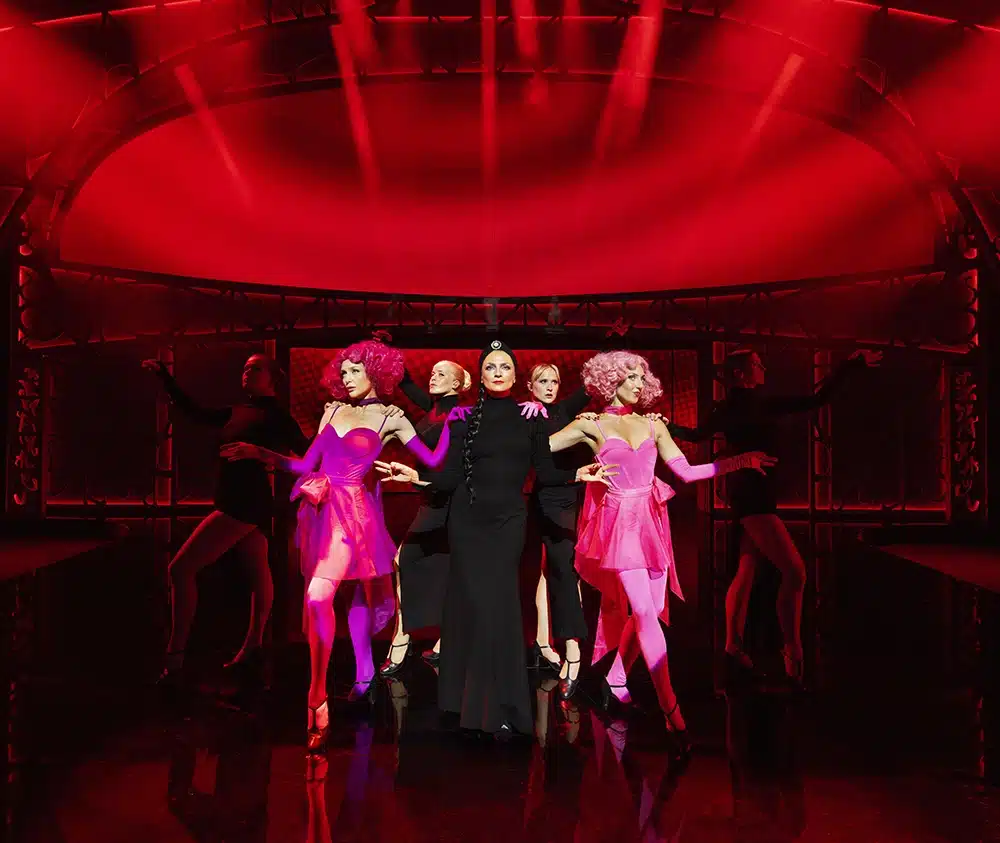
Benjamin La Cour's scenography and Jeppe Lawaetz's lighting create the framework for the two worlds, while Soeren Le Schmidt's costumes make them grow. There are beautiful dresses, glitter and lots of colors and details.
The stepmother and the two stepsisters in particular give the performance lots of personality and character, and they fill the stage in just the right way.
The world of fashion also fits well into Ella's story. All around her, people are judged by their clothes, their appearance, and their place in the hierarchy. When she is transformed into Cinderella, the dress changes the way others see her, but not who she is inside.
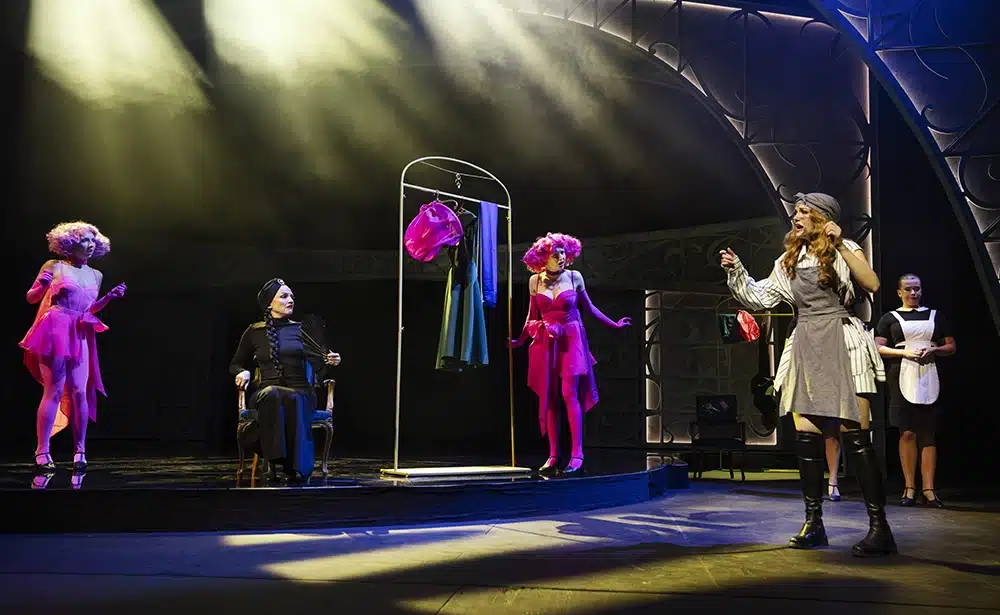
Finding your own story
Amidst the humor, the music, and the beautiful costumes, the show is also about finding her own place. Ella doesn't just have to figure out if the glass slipper fits. She also has to figure out if she even wants to be part of the story that others have already written for her.
The prince sees the beautiful Cinderella in the big blue dress, but has a much harder time recognizing Ella when all the exterior is gone. Gradually, she realizes that she doesn't have to fit into the old fairy tale ending. She doesn't have to become a princess or wait for a man to come riding by and tell her how her story will end.
It's still Cinderella with the glass slipper, the ball and magic. But it's also Ella's story of daring to take her place and decide for herself what will happen next.
Because even though we don't all have glass slippers or are trapped in an old fairy tale, we can still lose our way along the way. And we could use a fairy like Silas when we occasionally get lost in our own story.
Cinderella – The Musical
Performance times at the Music Hall
- Thursday, September 17, 2026 at 7:30 PM
- Friday, September 18, 2026 at 7:00 PM
- Saturday, September 19, 2026 at 3:00 PM and 7:30 PM
- Sunday, September 20, 2026 at 2:00 PM
Location: Great Hall in the Music Hall
Duration: Approximately 2 hours and 40 minutes including intermission
Price: DKK 185–1.165.
Organizer: Lion Entertainment
Tickets: Buy tickets at Musikhuset
Articles
SERIES AWARDS 2026 brought together the series industry at Aarhus City Hall
Bistro Solera on Aarhus Ø: French classics with a unique sea view
Barselona on Train: Melancholy that made the audience dance
When all of Aarhus lights up for Christmas

Authentic Japanese universe at Ramen Takumi in Aarhus

PHIL – Phil Collins tribute at Hotel Fuglsøcentret
Luxury brunch in Varna – a Sunday with a little extra of everything

The best burgers are found at Plant Food in Aarhus

Late summer off-season on Lesbos with Aarhus Charter
Community, Culture, and Creativity Clash at Aarhus’s Institut for (X)
It happens in Aarhus
Culture
SERIES AWARDS 2026 brought together the series industry at Aarhus City Hall
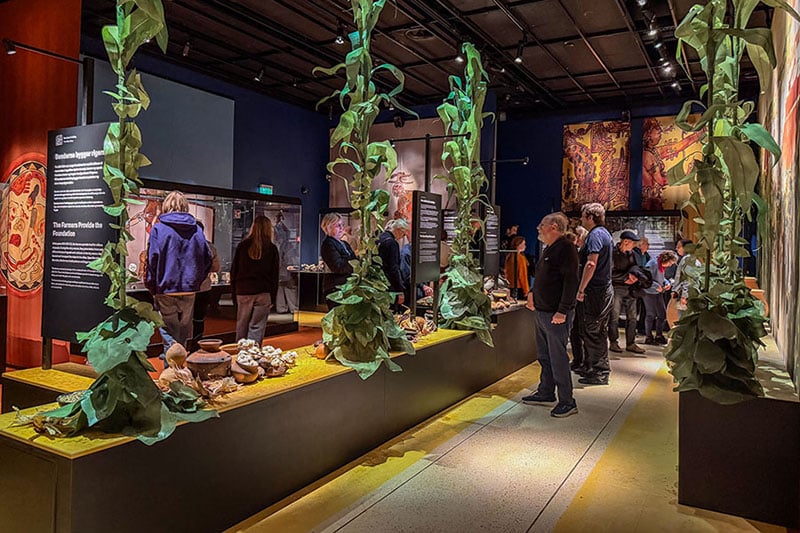
Maya – The Kingdom Under the Jungle at Moesgaard Museum

An Angry Woman at the Swallow's Nest Theatre

Iris Gold on stepping into the role of Tina Turner
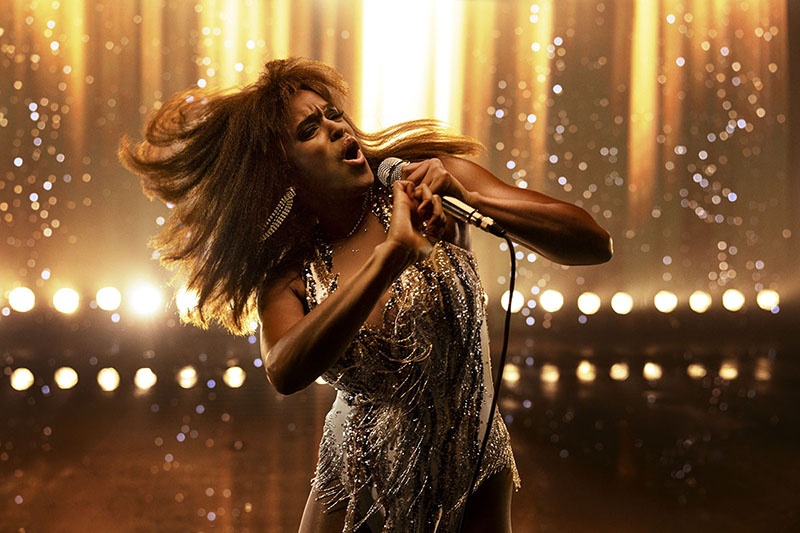
TINA – The Tina Turner Musical in Musikhuset Aarhus: Simply the Best
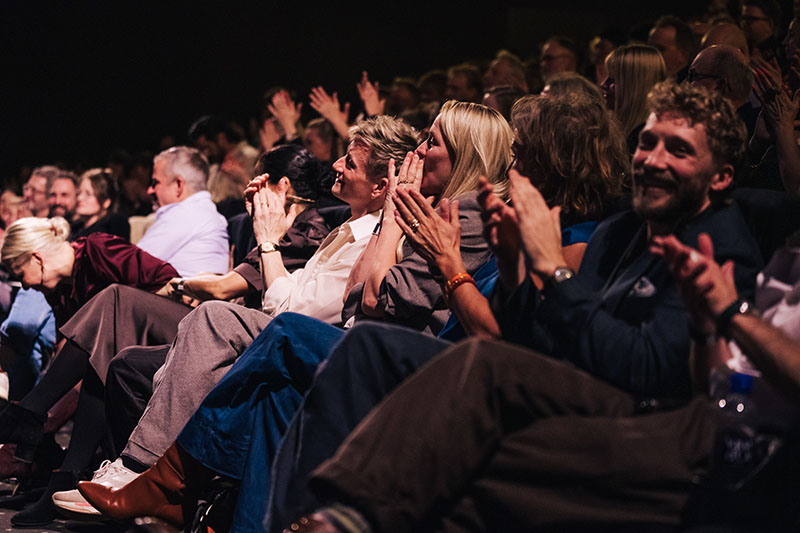
Series Awards 2026: Here are this year's nominees
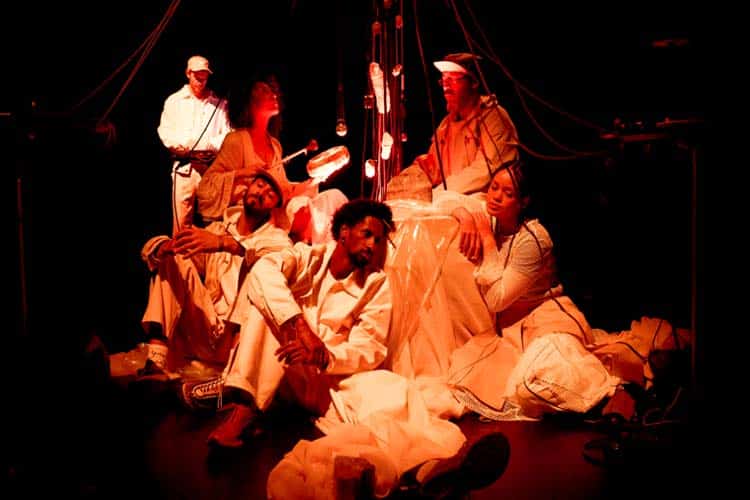
Move Your Mind Festival 2026 on Bora Bora
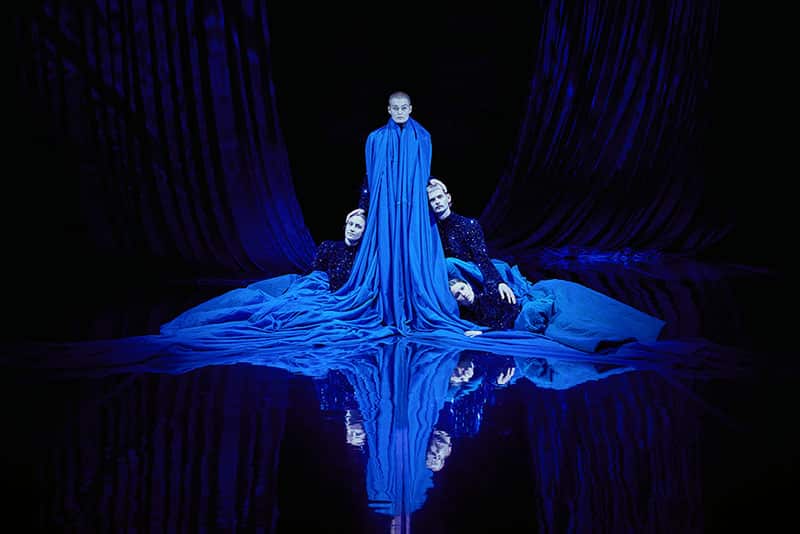
All The Feels on Bora Bora lets the emotions run wild
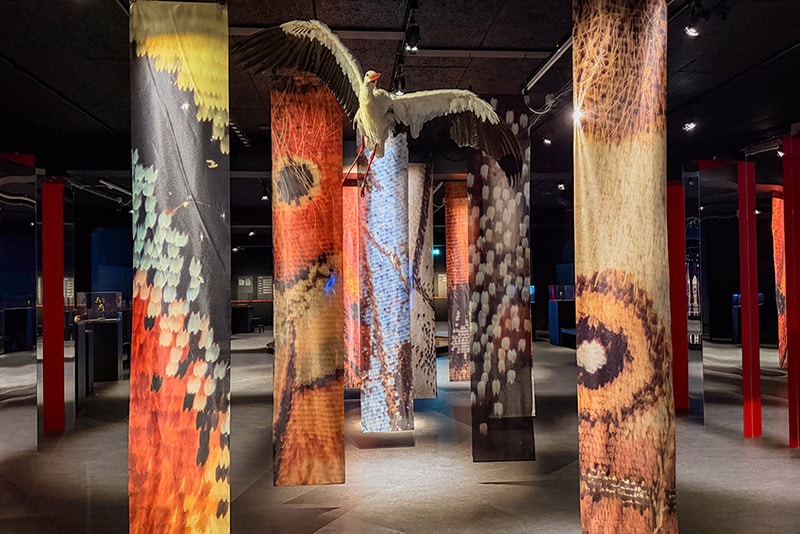
Afterglow at the Natural History Museum leaves its mark

Jane Austen's spirit lives on on Aarhus Theatre's stage

70s evening in the Old Town brings history to life

K7 Week in Aarhus 2026 with free culture for young people between 18-27 years old

Behind the camera on Danefæ 2: The drama moves to Aarhus