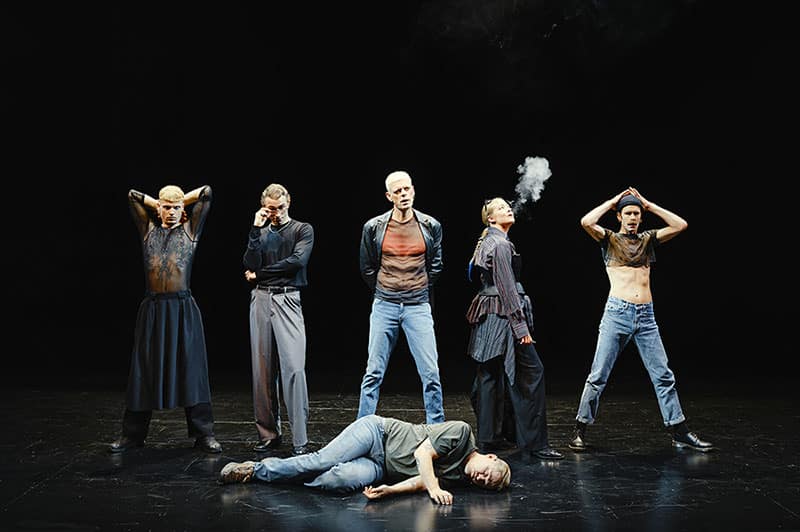
Afterglow at the Natural History Museum leaves its mark
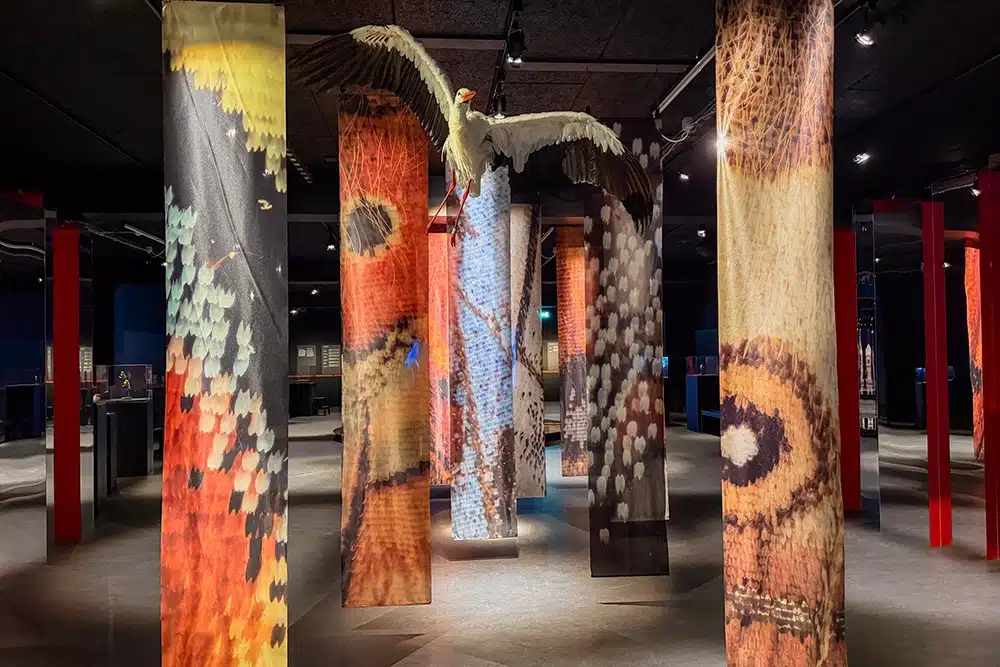
When you think of the Natural History Museum, most people probably think of the many animals, the skeletons and the large collections. That's why it feels a little different to step into the Afterglow exhibition.
The space is darker and quieter than the rest of the museum, and there aren't a lot of animals and objects here. Instead, the individual species are allowed to take up more space, and that fits the exhibition's narrative quite well. Afterglow is about some of the species that we may only discover when they are about to disappear.
The exhibition is called “Afterglow – only the lost is forever owned” and was created by artist Signe Klejs in collaboration with the Natural History Museum. The professional content was developed with Morten DD Hansen, among others, and the focus is on species from the Danish Red List and the question of how much can disappear before we actually notice it.
The sand that slowly disappears
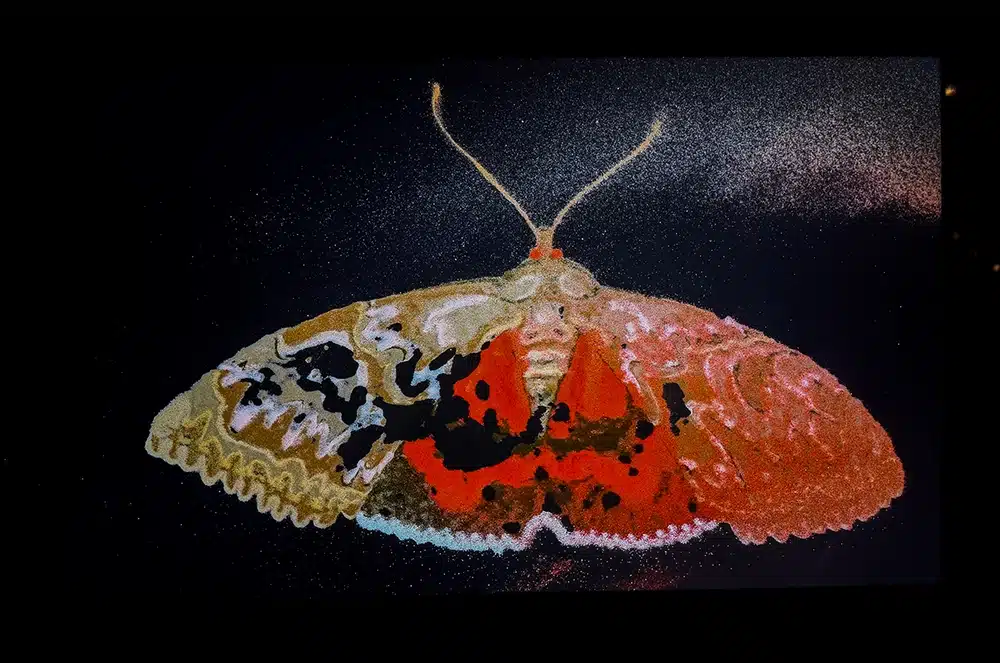
One of the first things that catches the eye in the exhibition are the large works where animals and insects are created in sand.
The motifs are detailed and beautiful, but they don't last. Slowly the sand is blown away, and eventually only a faint outline remains.
It's actually very simple, but that's exactly why it works so powerfully. You see the motif disappear little by little, and it's hard not to connect it with the species that the exhibition is about.
The title Afterglow refers, among other things, to the imprint that species leave in nature and with us when they are no longer here. The sand works fit well with that idea, because the image is first completely clear and then slowly dissolves.
It's also not an exhibition that you should rush through. It makes more sense to take your time with both the works and the stories about the species along the way.
The species we barely know
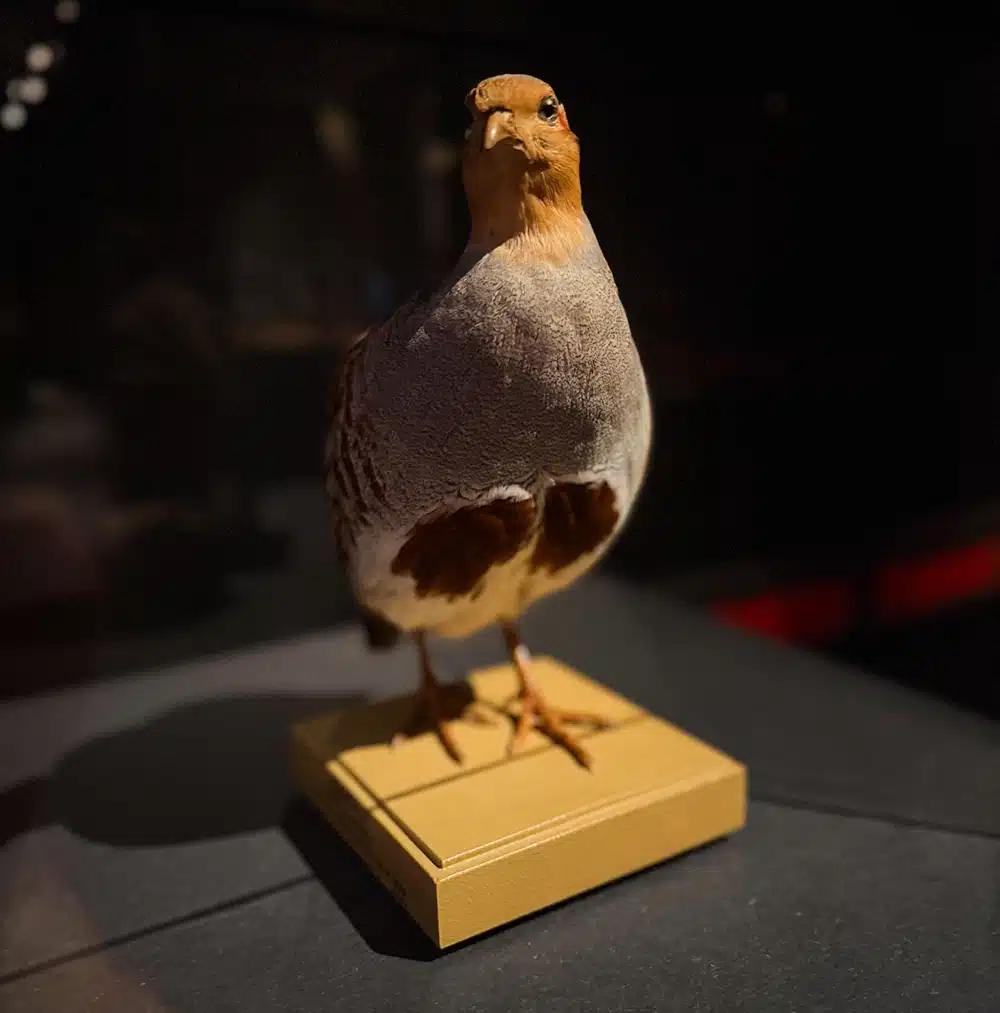
Along the walls of Afterglow are displays with some of the species the exhibition is about. You can walk from display to display, see the animals up close and read about them as you go.
But there is a thought behind the order.
The further you move around the room, the less well-known the species become. The museum has looked at how much they are searched for on Google, among other things. So you end up with animals that almost no one searches for, and that many don't even know exist.
We hear about the stork and other animals that most people are familiar with, but there are also species that may be disappearing without many realizing it.
One of the stories is about the striped dung beetle, which for many years was described as common in Denmark. At one point, someone decided to investigate whether it still existed. It didn't. It had simply disappeared, without anyone realizing that it was endangered.
And that thought hits pretty hard. Especially because the dung beetle is the animal that stands in last place in the exhibition.
Because if almost no one knows that a species exists, who will notice when it is suddenly no longer there?
Afterglow also focuses on the species that few of us know about. Because it's not just the big, well-known animals that are under pressure. Small animals, plants and fungi can disappear almost unnoticed because we simply don't keep an eye on them.
Art and science in the same space
Afterglow feels quite different from the rest of the Natural History Museum. Here, the space is calmer, there are fewer things to deal with, and plenty of space for both the works and the stories about the species.
The professional aspect is still clearly present. Throughout the exhibition you will encounter species from the Danish Red List and stories about how their populations have changed.
But it is not only conveyed through numbers, categories and facts. There is also room to just look at the species and think about what it really means when a species disappears.
This works well at the Natural History Museum, where the rest of the house is filled with animals that have been collected, registered and preserved over generations.
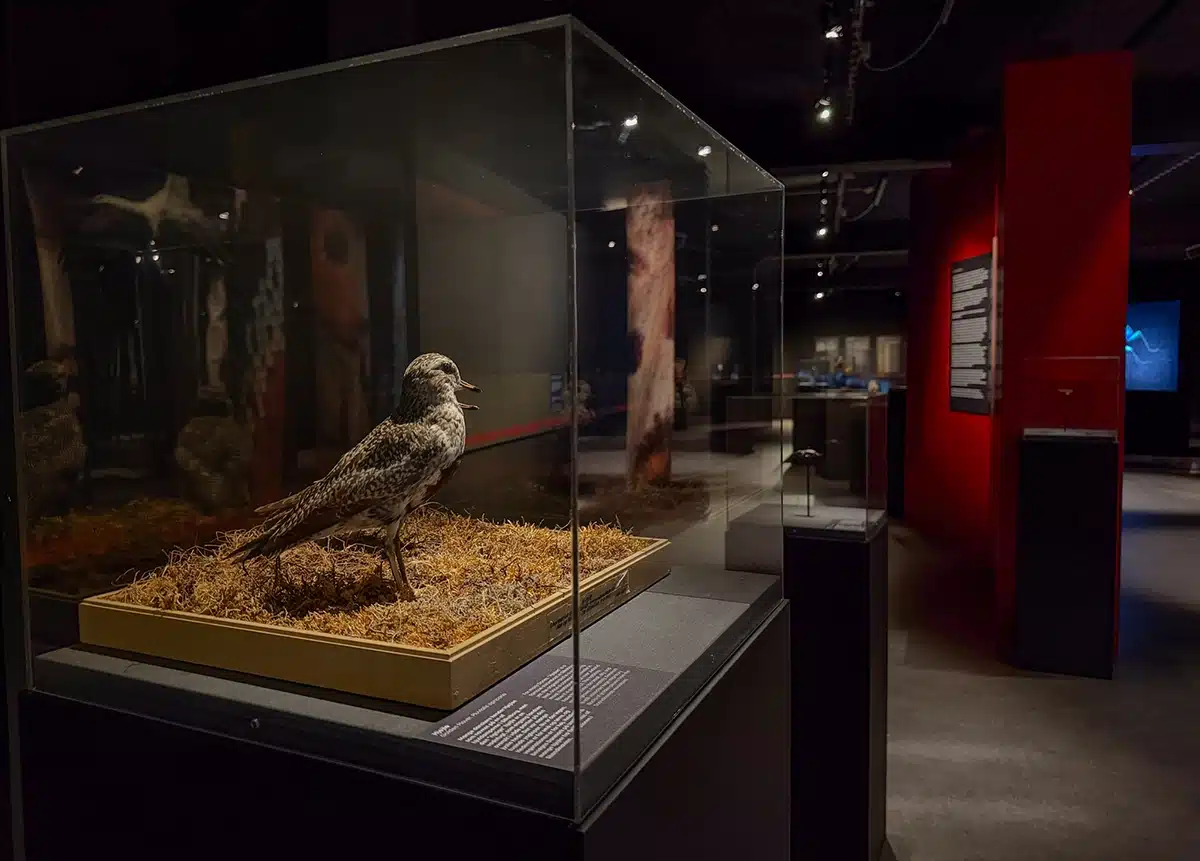
How do endangered animals end up in a museum?
When you stand among endangered and extinct species at a natural history museum, it's natural to wonder: How did they actually end up here?
A lot has changed here over time.
In the past, it was common for natural history museums to collect animals directly from the wild. Today, things are different. Animals can come to the museum if they are found dead, while many of the insects come from older private and scientific collections.
At the same time, cameras and modern registration make it possible to document much more today, without necessarily having to collect the animal itself.
An exhibition with a different pace
Afterglow has a completely different pace than many of the other exhibitions at the Natural History Museum.
Where “The Global Backyard” is almost overflowing with animals and details, here there is more air and more calm. This gives the individual species space, and it makes it easier to linger a little longer with their stories.
This also makes the exhibition interesting for adults, who might otherwise mostly associate the Natural History Museum with a place you visit with children.
Because natural history is not just about all the animals that are already in the displays and collections. It is also about the nature that exists around us right now, and about what we risk losing.
Afterglow is a special exhibition and therefore will not remain at the Natural History Museum forever. While it is there, it is worth taking around, even if it was the large animals that really lured you in.
What is the Danish Red List?
The Danish Red List is an overview of the risk of extinction of various Danish animals, plants and fungi. Today, around 13.900 species have been assessed, and the work is coordinated by Aarhus University according to international criteria from the IUCN.
Species are placed in different categories depending on how they are doing. They range from viable and near threatened to vulnerable, endangered, critically endangered and regionally extinct. There are also categories for species where there is insufficient information to assess them.
The fact that a species is assessed for the Red List does not automatically mean that it is becoming extinct. The list is used to monitor developments and provide a picture of how biodiversity is doing in Denmark.
Articles
The Greenlandic polar explorer
SERIES AWARDS 2026 brought together the series industry at Aarhus City Hall
Bistro Solera on Aarhus Ø: French classics with a unique sea view
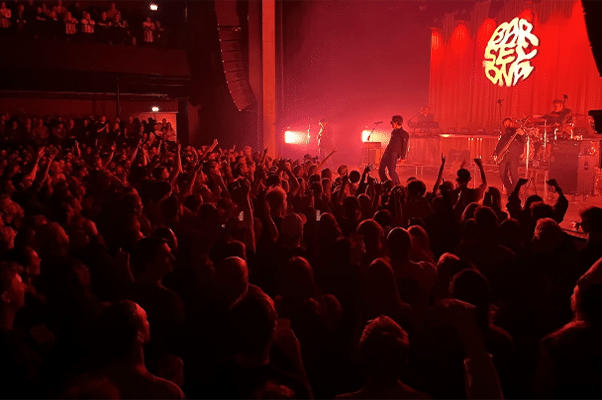
Barselona on Train: Melancholy that made the audience dance
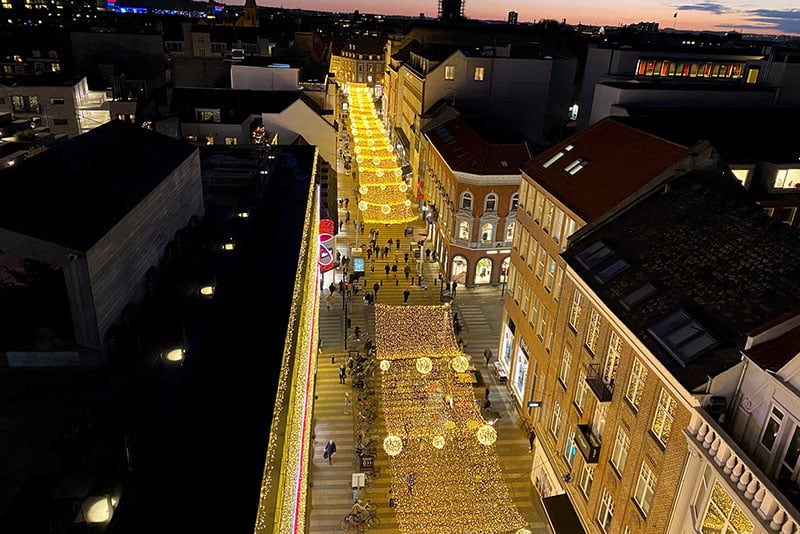
When all of Aarhus lights up for Christmas

Authentic Japanese universe at Ramen Takumi in Aarhus
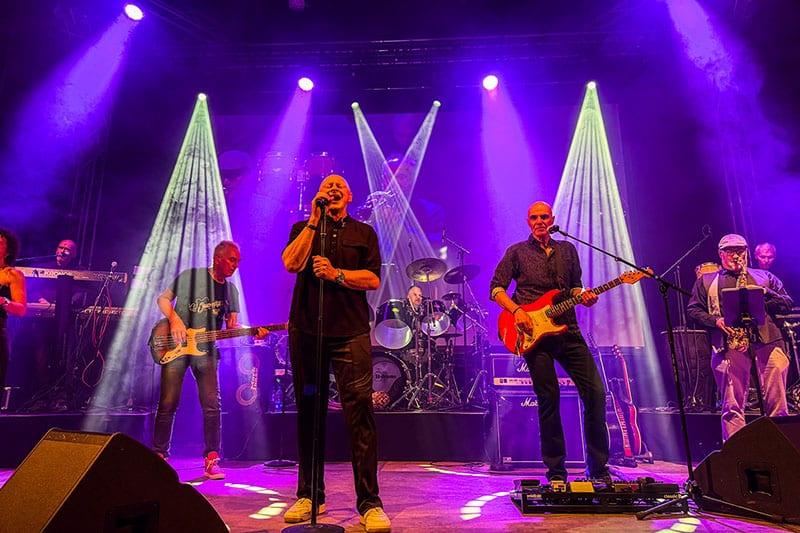
PHIL – Phil Collins tribute at Hotel Fuglsøcentret
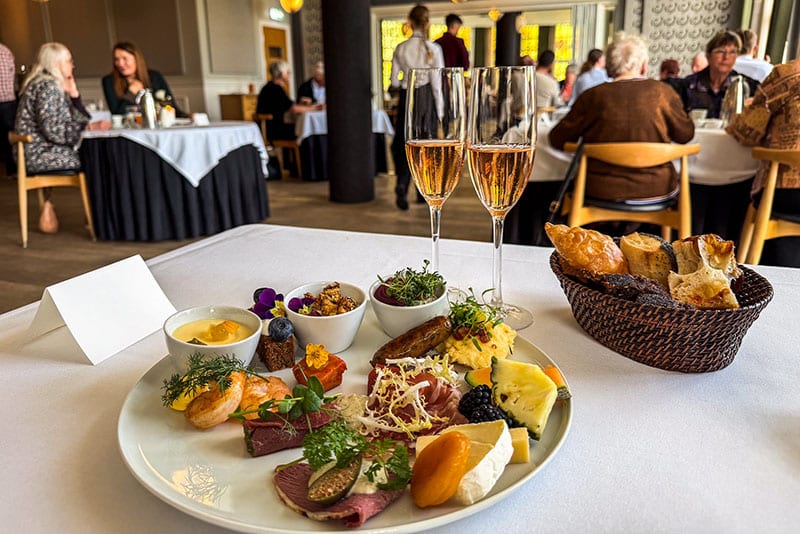
Luxury brunch in Varna – a Sunday with a little extra of everything
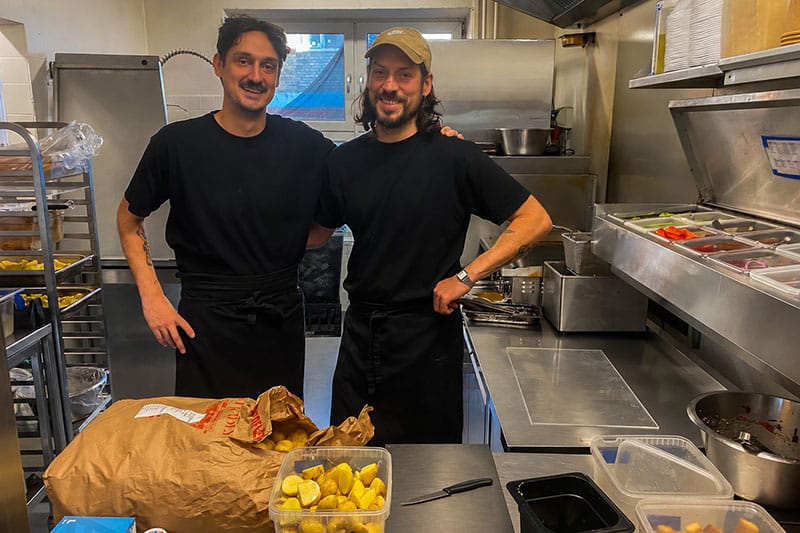
The best burgers are found at Plant Food in Aarhus
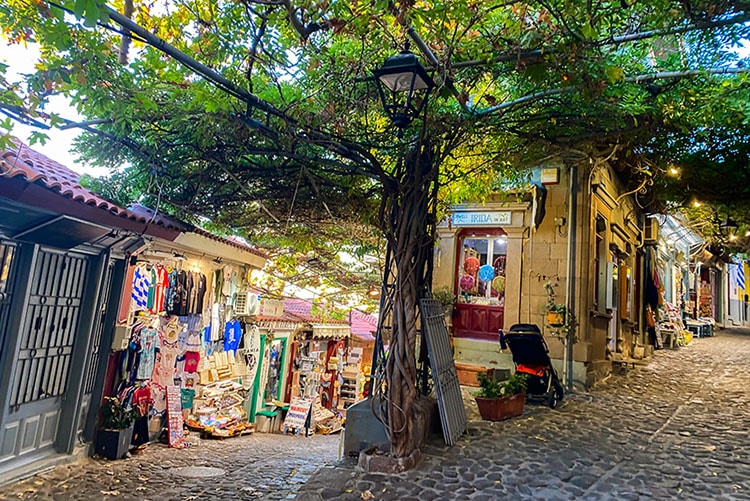
Late summer off-season on Lesbos with Aarhus Charter
It happens in Aarhus
Culture
The Greenlandic polar explorer
SERIES AWARDS 2026 brought together the series industry at Aarhus City Hall
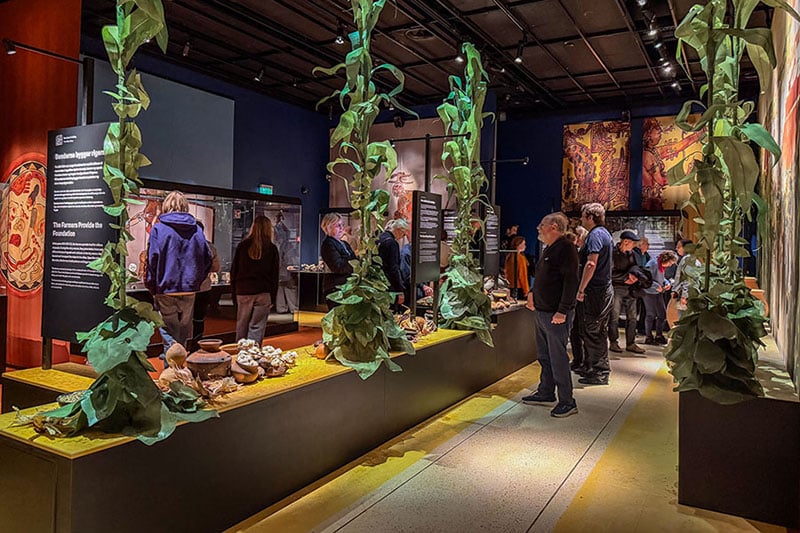
Maya – The Kingdom Under the Jungle at Moesgaard Museum

An Angry Woman at the Swallow's Nest Theatre

Iris Gold on stepping into the role of Tina Turner
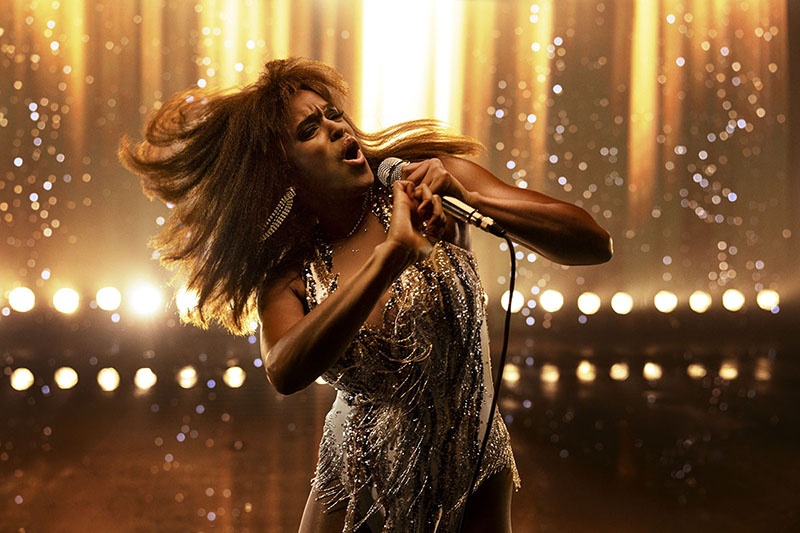
TINA – The Tina Turner Musical in Musikhuset Aarhus: Simply the Best
Series Awards 2026: Here are this year's nominees
Move Your Mind Festival 2026 on Bora Bora
All The Feels on Bora Bora lets the emotions run wild

Jane Austen's spirit lives on on Aarhus Theatre's stage

70s evening in the Old Town brings history to life

K7 Week in Aarhus 2026 with free culture for young people between 18-27 years old

Behind the camera on Danefæ 2: The drama moves to Aarhus